A Manakamana visit can be an important part of a Nepal road itinerary, but it should be planned as a real stop with its own time and arrangements. The road transfer, cable car and temple visit are connected experiences, not one interchangeable service. Agree how they fit together before confirming the onward journey to your hotel or next destination.
Separate the road transfer from the cable car
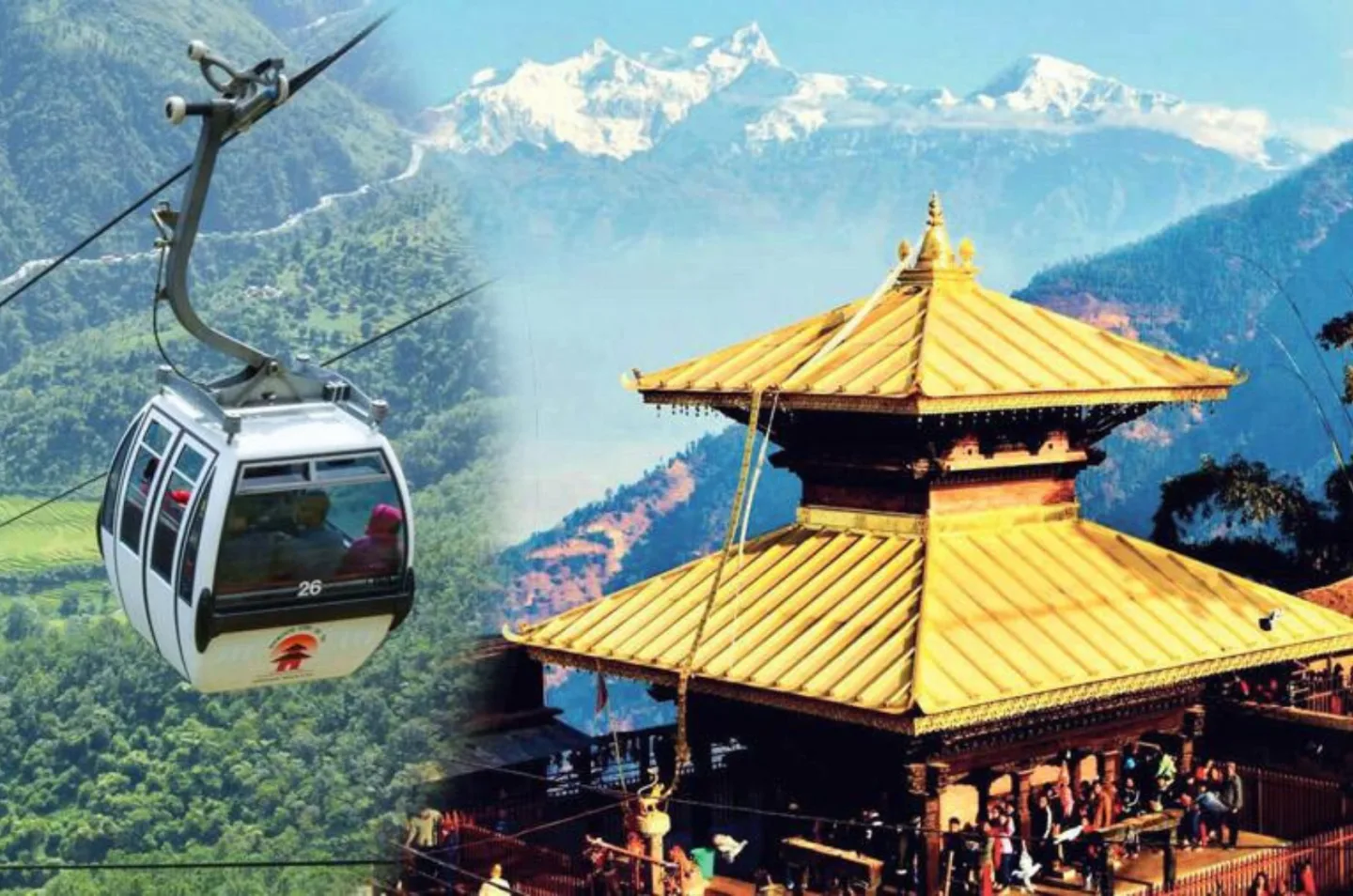
The official Manakamana Cable Car website identifies its base at Kurintar. When requesting a vehicle, explain whether you need a transfer to the cable-car station, a waiting vehicle for the visit, or a stop within a longer road journey. A car booking does not automatically include cable-car tickets or guarantee that the attraction is operating on your chosen date.
Check current operating information directly with the cable-car operator or through the tour team before finalising the day. Maintenance, special arrangements and other changes can affect a visit. Avoid building the entire road itinerary around an old timetable or a ticket price copied from another season. The transport confirmation should explain what happens if the visit cannot proceed as originally planned.
Decide whether this is a dedicated outing or a journey stop
A dedicated visit returning to the same hotel has a different structure from a stop while travelling between destinations. In the first case, the group may have more flexibility around the temple visit. In the second, the onward road journey and hotel arrival still need to be considered. Tell the team which part of the day is the priority so that the route does not become an unrealistic combination of fixed commitments.
If Manakamana is being added to a Kathmandu–Pokhara or another proposed road itinerary, ask the operator to review the complete day. Do not treat it as a brief detour that has no effect on timing. Parking, ticketing, queues, the visit and returning to the vehicle all occupy time. A sensible itinerary allows those stages rather than expecting the driver to make up the difference later.
Allow for queues and the pace of worship
The time spent at a religious destination is not always predictable. A group may wish to spend longer than expected, and queues or local conditions may affect the visit. Agree a broad plan and keep the operations team informed if it changes materially. Do not promise a precise onward arrival based only on the cable-car ride itself; the full visit includes much more than that one movement.
If the party has a fixed departure or hotel commitment later, discuss whether the stop belongs on another day. The spiritual purpose of the visit is better served by adequate time than by pressure to finish quickly. Mark optional activities separately so that the group can protect the main visit without feeling obliged to complete every additional idea.
Plan the luggage arrangement
A stop during an intercity transfer often means the vehicle carries the group’s full luggage. Ask where bags remain while guests visit and which belongings should be carried personally. Keep documents, valuables, medicines and essential items with their owners. If the vehicle waits at an agreed location, confirm the collection point and the number to call when the group is ready to return.
Count larger bags before departure and again when you reach the final hotel. If several families are travelling together, appoint one person to check the total during loading. Do not assume that a vehicle sized for passengers with day bags can also carry the same group’s suitcases. The luggage requirement should be included when the allocation is first proposed.
Discuss walking and boarding needs
Ask about the practical movement from vehicle drop-off to the cable-car facilities and from the upper station to the visiting area. Explain any difficulty with steps, walking distance or standing. The tour team can help discuss the arrangement, but should not promise accessibility features without confirmation. A vehicle transfer and a cable-car journey do not remove every walking element of the visit.
For families with children or older relatives, leave room for a rest and a meal at a comfortable point in the day. Avoid assuming that all members of the group will move at the same pace. If someone chooses not to continue with the main party, agree a clear place to wait and a reunion plan. Everyone should know who is coordinating the group.
Clarify tickets, guiding and meals
Ask whether the package includes cable-car tickets, a guide, meals or only the road transport. If tickets are separate, confirm how they are purchased and which visitor categories apply. Use current information rather than an old price list. The driver should not be expected to absorb an unquoted ticket or activity cost simply because the stop is part of the route.
If dietary requirements matter, communicate them before the day begins. A planned meal stop is easier to organise than a last-minute search after a long queue. Confirm whether the restaurant arrangement is part of the tour or the group’s own choice. Keep the transport and meal responsibilities clear so that the day remains straightforward for guests and staff.
Agree waiting and onward driving
A quotation should state whether the vehicle waits throughout the visit and how additional waiting is handled. It should also name the final destination, not merely the next city. The hotel’s exact location and approach can affect the last part of the journey. If the group changes its overnight accommodation, tell operations before travel so that the driver has the current plan.
Avoid asking the driver to recover a delayed visit by rushing the onward journey. If the schedule changes, discuss the implications with the team and update the receiving hotel. A practical response may be to shorten an optional stop or revise a meal arrangement. The transport plan should support the visit without turning the rest of the day into a race.
Keep a fallback option
Before confirming, ask what happens if the cable car or the visit is unavailable. The answer may involve travelling directly onward, adjusting the date or considering another agreed plan. Confirm how any unused ticket or additional vehicle arrangement would be handled under the relevant booking terms. Do not assume that every supplier has the same cancellation or refund policy.
A useful request includes your date, starting hotel, final hotel, guest count, luggage, the importance of the Manakamana visit and any walking concerns. With those details, the team can propose a route that respects both the pilgrimage and the road journey. The best stop is one that has been given enough time and a clear place in the wider itinerary.
Build a brief the transport team can use
Write the journey as a sequence of dates, pickup points, destinations and overnight stops. Add the number of travellers, their luggage and any practical boarding requirements. Mark fixed commitments such as a flight or event separately from flexible sightseeing preferences. This helps the team see where the plan has room to move and where a missed connection would affect the wider holiday. A complete outline is more useful than an isolated request for a daily vehicle rate.
Ask the provider to explain the proposed allocation rather than simply approving the first vehicle name. Confirm passenger seating, luggage arrangements and suitability for the planned route. If a model is essential, obtain written acceptance; if it is a preference, identify the features that matter most. Changes to guest numbers, baggage, hotels or itinerary can change the best vehicle choice, so send those changes before the final confirmation rather than on the morning of departure.
Make the quotation easy to compare
Check the date range, route, collection address, final drop-off and service hours. Establish whether the quote is for a point-to-point transfer, a sightseeing outing or a multi-day arrangement with specific daily movements. Confirm the price currency and basis, then review driver, fuel, waiting, parking, road charges and any overnight expenses. Ask which items remain payable separately and how additional stops or changed destinations would be calculated.
The booking terms should explain cancellation, rescheduling, payment arrangements and the contact for a problem on the day. Read them while there is still time to resolve questions. Do not assume that a published starting price covers every vehicle or date. Keep the final agreed itinerary and quotation together so that the guest organiser and operations team can refer to the same version when discussing a change.
Prepare the handover from planning to travel
Before departure, obtain the driver or meeting instructions and keep the operations contact available offline. Confirm the hotel entrance or station meeting point, because a destination name may describe a large area. Choose one group contact to relay updates, and keep essentials such as documents and medicines with their owners. Count larger bags at loading and unloading. These small routines make the agreed plan easier to follow without turning the holiday into a complicated administrative exercise.
Plan this journey with our team
Vehicle Rent Nepal is a site by Shivalaya Holidays Pvt. Ltd. For the wider holiday, explore Muktinath Darshan with Chitwan Jungle Safari and ask the team to match the transport to your chosen itinerary. Nepal Tour.Travel is also our sister concern. Vehicle hire and a complete tour package have different inclusions, so confirm exactly which services you want in the same quotation.
Send your dates, pickup location, destinations, passenger count and luggage details through our vehicle quotation form. You can also speak with Sushma Aryal on +977 9851206780 or Dinesh Ghimire on +977 9851421660 / +91 8744821660. A clear brief lets the shared team propose the vehicle and arrangements that fit your journey.

Site by Shivalaya Holidays Pvt. Ltd. Our shared Kathmandu team helps arrange private vehicles, border connections and Nepal holidays. Contact our team for arrangements matched to your dates.