An organiser requesting a Force Urbania is often looking for more than a way to move passengers between two places. The group may value travelling together, a particular seating experience or a vehicle category that suits an incentive arrival. Those preferences are useful, but they need to become clear booking requirements before a transport proposal can be compared or confirmed.
Vehicle Rent Nepal includes Force Urbania among the vehicle types to discuss for border pickup, drop-off and India arrival connections. The service is coordinated with the Shivalaya Holidays team. This guide explains how to turn an Urbania preference into a practical brief, with particular attention to configuration, luggage, group coordination and the Nepal-side journey.
State why you want an Urbania
Explain the purpose of the request. Perhaps the group wants to remain in one vehicle, the organiser prefers additional space, or an event program calls for a specific arrival experience. A clear priority helps the team assess the proposed allocation and discuss alternatives if the exact request cannot be confirmed.
Distinguish an exact-model requirement from a category preference. If an Urbania is essential, say that before booking. If you would consider another suitable category, identify the features that matter. This avoids a conversation in which the organiser and provider use the same word while assuming different levels of flexibility.
Do not describe the booking as confirmed until the team has accepted the dates, route and allocation. A vehicle type shown on a service page is an invitation to enquire, not evidence that a particular vehicle is available for every date or permitted to operate on every proposed leg.
Ask which configuration is being offered
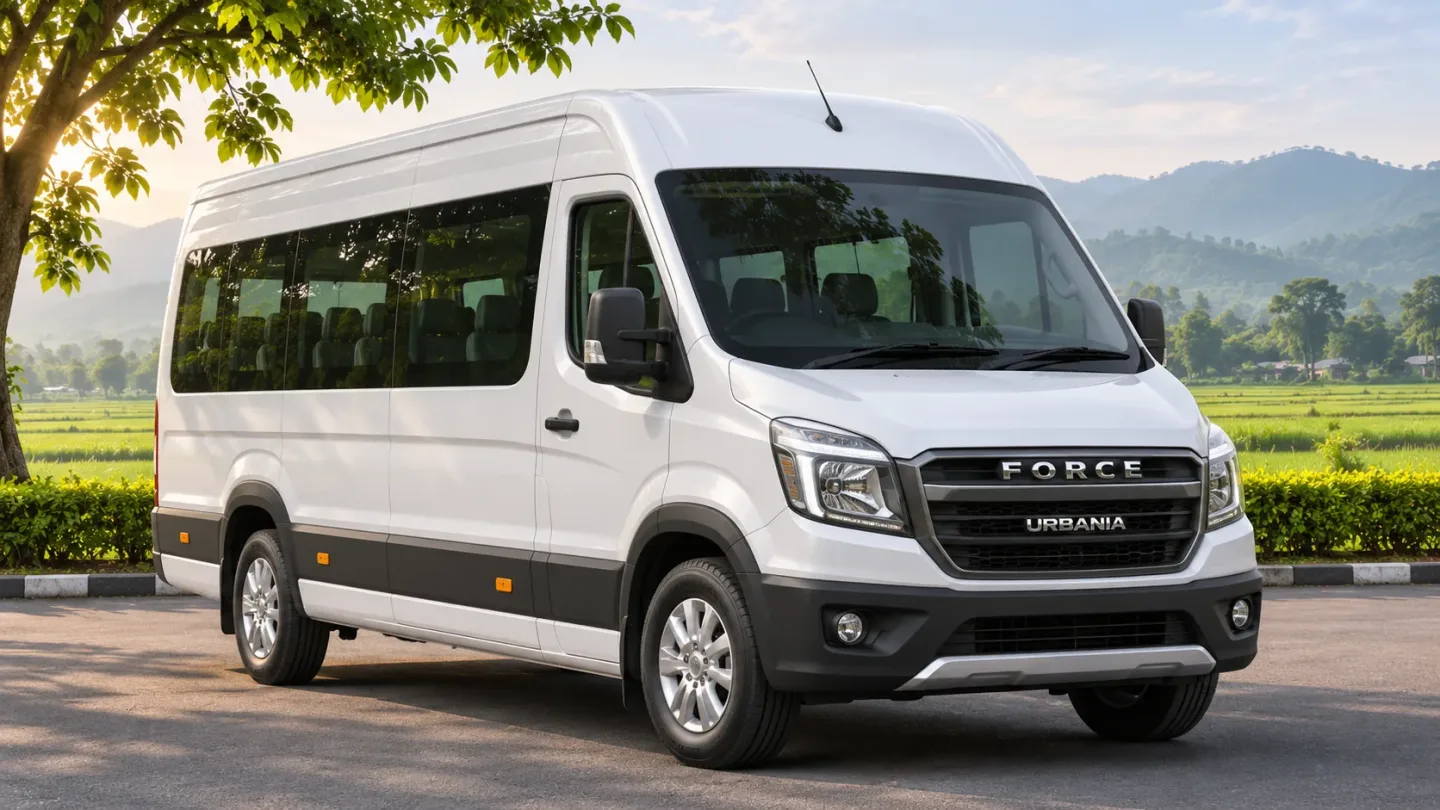
Force Motors lists Urbania in multiple configurations. The name therefore does not establish one universal passenger count or interior arrangement. Request the guest seating allocation and the relevant configuration for the vehicle proposed for your group.
If seating comfort is a priority, explain what that means in practice. The group may prefer unused seats, a particular boarding arrangement or space for a tour leader to sit with the guests. The operations team can then discuss the offer in terms of your actual requirements rather than broad marketing descriptions.
Ask whether any photographs show the allocated vehicle or represent the general category. Do not infer a feature from an image unless it is part of the confirmation. The written offer should identify what the provider is agreeing to supply and how any proposed change would be communicated.
Assess luggage and equipment alongside the seats
For a leisure group, collect the number and size of suitcases. For an incentive or corporate arrival, include presentation materials, gifts, event equipment and other shared items. Those items may occupy more space than the organiser expects when looking only at the guest count.
Ask how the baggage will be carried with the proposed seating arrangement. Avoid assuming that a vehicle described as premium automatically has room for every passenger's largest suitcase. A comfortable allocation depends on the real combination of people, bags and equipment.
If equipment must be kept separate from guest luggage, make that part of the brief. A separate movement may be more suitable than trying to add bulky items to the passenger vehicle. The team should be able to discuss the alternatives before the arrival day, when changing the arrangement is usually less convenient.
Build an arrival schedule from actual connections
List each train or flight, the number of guests arriving on it and the contact person for that group. An event itinerary may have several arrival waves rather than one combined movement. Ask whether the proposal is for one pickup, repeated collections or another agreed operating arrangement.
Distinguish scheduled arrival from readiness to meet the vehicle. Guests need time to complete their arrival process and collect luggage. Share the connection details and follow the team's confirmed meeting instructions instead of independently promising a departure time immediately after the scheduled arrival.
If one group will wait for another, identify who coordinates that waiting arrangement and where the guests should assemble. The vehicle quotation should reflect the plan. It should not depend on an unspoken assumption that a driver will wait indefinitely for every separate arrival without an agreed service boundary.
Agree the presentation requirements before booking
If the vehicle is part of a hosted or corporate arrival, explain any presentation requirements in advance. The organiser may want a named coordinator, a clear meeting sign or a particular sequence for boarding. These are requests to confirm, not features that should be assumed from the vehicle category.
Keep branding or guest-facing material separate from the essential pickup instructions. A decorative welcome message does not replace the meeting point, travelling contact and vehicle allocation. The group should be able to identify the correct service even if they have not read the wider event program.
For a structured incentive itinerary, explore Shivalaya Holidays' Nepal MICE and incentive programs. Discuss transport as part of the event schedule, including airport or station arrivals, hotel transfers and any later group movements. Ask the final proposal to distinguish those services clearly.
Confirm the role of the Urbania at the border
Your arrival Urbania may cover only the India-side connection, with another vehicle arranged for the Nepal portion. Ask which category is proposed for each leg, where a handover occurs and who coordinates it. The booking should describe the complete connection even when different vehicles perform different parts.
If the proposal uses one vehicle across the border, ask for explicit confirmation of that operating arrangement. Vehicle permissions and passenger entry requirements are separate questions. The name Urbania, a seating plan or a promotional photograph does not settle either question for your travel date.
Build the handover into the group brief. The coordinator should know the expected meeting arrangement, how to contact operations and how the bags are transferred. Guests are more comfortable when a planned vehicle change has been explained in advance rather than discovered after they reach the border area.
Keep fixed events separate from flexible touring
A conference opening, scheduled meeting or departure connection may be fixed, while a sightseeing stop can often be discussed more flexibly. Identify those distinctions in the itinerary. The transport team needs to understand which timings determine the rest of the program.
Avoid asking one arrival transfer to do the work of an unrestricted vehicle-at-disposal service. If the group needs a hotel transfer, a later venue movement and an evening return, list all three. Ask the quotation to state the agreed operating periods and how extra movements would be handled.
For a Pokhara event, Shivalaya Holidays' conference program in Pokhara can be a useful planning reference. The actual arrival route, guest allocation and vehicle categories should still be confirmed in your tailored proposal rather than assumed from a sample program.
Compare the service, not only the category name
When comparing an Urbania proposal with a Tempo Traveller or smaller vehicles, keep the itinerary constant. Use the same passenger count, baggage, dates, pickup points and final destination. Otherwise, a difference in price may reflect a different service rather than a different vehicle.
Check whether the amount covers the vehicle or each guest, and confirm the currency. Ask about fuel, driver expenses, waiting, parking and overnight requirements. If several legs or vehicles are involved, identify the complete total and the services excluded from it.
The cheapest headline is not necessarily the arrangement that matches your priorities, but a higher figure is not proof of a better fit either. Compare the confirmed allocation and service details with your brief. An unanswered question should remain a question until the provider has clarified it.
Establish a clear change process
Name the person authorised to approve additional services for the group. Drivers and coordinators should not receive competing requests from individual guests. The organiser can collect preferences and discuss changes with the operations team through one agreed channel.
Ask how a delayed arrival, revised guest count or changed hotel will affect the transport plan. The response should explain the process for confirming any adjustment, including additional costs where applicable. Keep the latest accepted itinerary with the quotation so everyone is working from the same version.
Review cancellation and payment terms before committing the group. If guests are being charged through an agent or event organiser, make sure the promises given to them reflect the confirmed supplier terms. Written clarity is particularly useful when a booking has several people involved in approving and paying for services.
Prepare a final brief for the travelling coordinator
The final transport note should include arrival connections, passenger allocation, luggage, meeting points, the Urbania configuration agreed for the arrival leg and any separate Nepal-side vehicle. Add the operations contact and identify the person who can approve changes. Keep this practical note short enough to use during travel.
Before the return, confirm the last hotel, departure pickup and destination station or airport. Allow the team to discuss a sensible margin for the road connection and group assembly. If guests split between departures, provide separate lists so the allocation remains clear.
Request your Urbania arrangement through the Vehicle Rent Nepal quotation form. Email tour@shivalayaholidays.com or contact Dinesh Ghimire on +977 9851421660 and +91 8744821660. Sushma Aryal is available for operations on +977 9851206780. Vehicle Rent Nepal is a sister concern of Shivalaya Holidays, alongside Nepal Tour.Travel.
A sister concern of Shivalaya Holidays Pvt. Ltd. Our shared Kathmandu team helps arrange private vehicles, border connections and Nepal holidays. Contact our team for arrangements matched to your dates.