A tour leader’s border-transfer plan should make a complex sequence feel simple to guests. The organiser needs the detailed movement sheet, while travellers need a clear meeting point, reporting time and contact. Before the journey, connect the passenger list, vehicle allocation, luggage count and handover instructions into one current plan that both sides of the operation can follow.
Build a movement sheet for each leg
Create a separate line for the India arrival connection, the border handover and the Nepal onward journey. Record the date, pickup, destination, vehicle, leader and expected passenger count. Add flight or train details where relevant. This prevents a broad phrase such as “border transfer included” from hiding an undefined stage between two services.
Use the same current version with the coordinating team. If a detail changes, update the movement sheet and identify the revision clearly. Avoid leaving old pickup times in separate messages that drivers or guests may still consult. A simple version label or date can help the organiser distinguish the final instruction from earlier planning discussions.
Count passengers by vehicle
The overall group total is not enough when several vehicles are used. Assign guests, children and accompanying staff to each allocation. Ask for actual guest seating and confirm where guides or leaders travel. If the group changes vehicles, map the onward assignments in advance so that the handover does not begin with a new seating negotiation.
Choose a leader or representative for each vehicle and one overall coordinator. The representative can confirm the local headcount, while the coordinator communicates with operations. Do not rely only on a visual impression that the vehicle looks full. A checked manifest helps identify a missing guest before departure rather than after the convoy has separated.
Keep personal information proportionate
The organiser may need a fuller passenger record, but the driver generally needs a practical movement sheet and a reachable lead contact. Share only the details necessary for the service. Avoid circulating passport images, unrelated personal information or full private records in large informal groups when a name and movement assignment are sufficient for coordination.
Tell guests which contact to use for transport questions. A single channel reduces conflicting instructions and protects the organiser from answering the same issue through several disconnected conversations. If emergency or special requirements are relevant, handle them through the appropriate responsible person rather than placing unnecessary private details on a general vehicle list.
Make the meeting point unmistakable
Obtain the exact collection location and the method for identifying the driver or representative. Include a short written description alongside a map location where useful. For station or airport arrivals, specify where guests gather after completing their arrival steps. A large group should not be sent towards a vague border-area landmark with no clear next contact.
Keep a copy offline and ensure the vehicle representatives have it. If the meeting point changes, send one revised instruction and confirm that all subgroups have received it. Do not allow different vehicles to act on different versions. When a party cannot find its connection, contact the coordinator before moving to another location independently.
Give luggage its own checklist
Count large bags and record unusual items such as equipment, strollers or folding aids. Ask how luggage is loaded in each vehicle and how it moves at a change. A passenger allocation that fills all seats may need a separate luggage solution. Confirm that before travel rather than relying on cabin space that should remain clear for guests.
At the handover, use a deliberate count before the first vehicle leaves and after the next is loaded. Assign one person to the total rather than expecting every guest’s individual check to create a reliable group count. If bags travel separately, define the delivery point and the person who confirms receipt. The luggage plan should be as explicit as the passenger plan.
Confirm the vehicle categories and substitutions
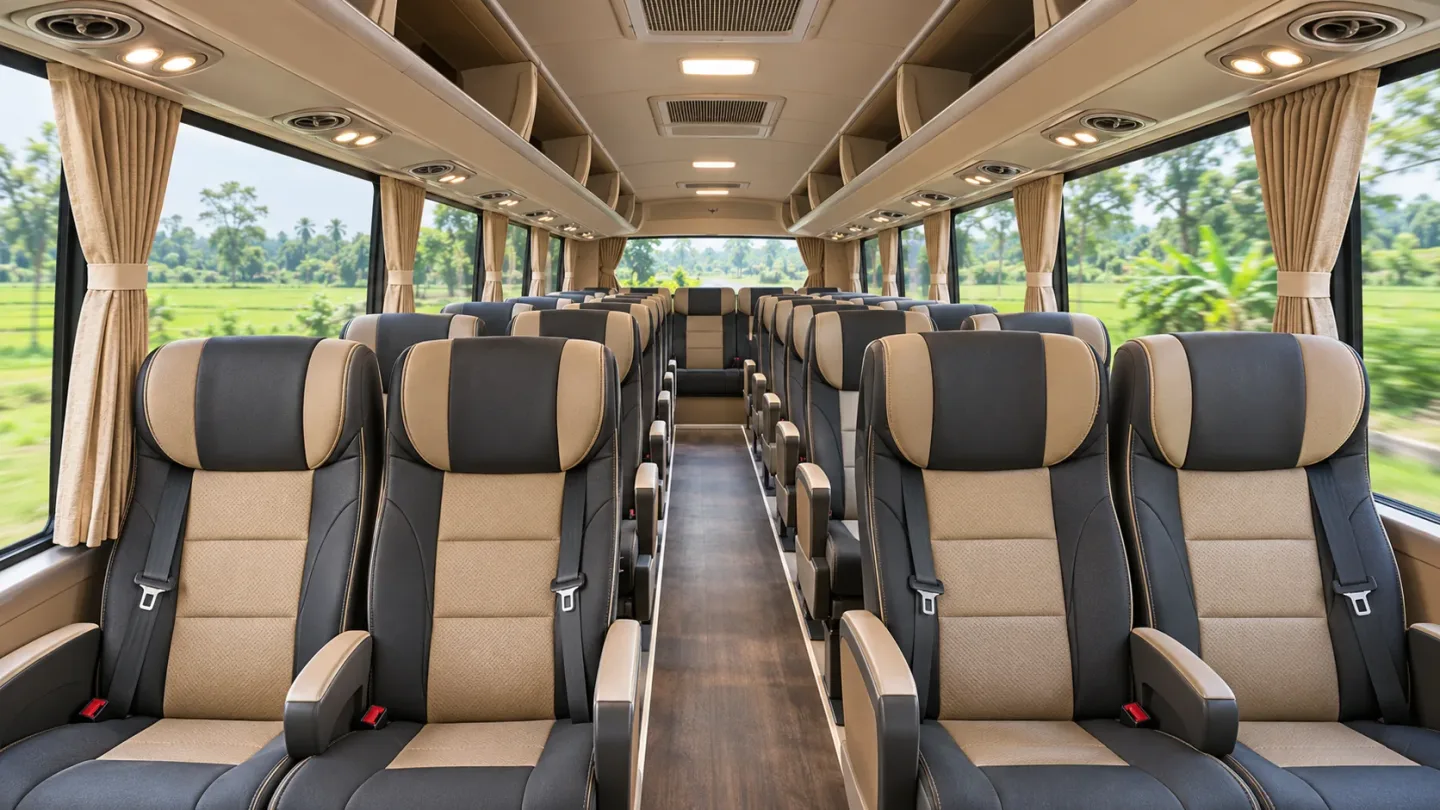
For arrival connections, discuss Innova Crysta, Ertiga, Tempo Traveller or Force Urbania according to the group’s needs. Ask which category operates each leg and which configuration is offered. If a particular model or presentation is essential, make that requirement part of the confirmation. A representative image does not establish the exact allocated vehicle.
Agree how any substitution is proposed and approved. The organiser should compare the alternative against seating, luggage, boarding and route requirements, not only the category name. If the allocation differs materially on the day, contact operations before departure. A clear approval process is more effective than asking individual drivers to negotiate changes with multiple guests.
Build a realistic timing sequence
Allow for arrival procedures, gathering the group, loading, road travel, border-related steps and the onward journey. The schedule should account for a group’s pace rather than use a solo traveller’s minimum estimate. Identify the first fixed commitment in Nepal and discuss whether it remains sensible after the arrival connection. A flexible hotel arrival is different from a time-sensitive onward departure.
Ask how delays are communicated to the next vehicle and receiving hotel. The overall coordinator should hold the current plan and approve any revision. Avoid promising guests a precise arrival that depends on every stage occurring at its shortest duration. A realistic range and a clear update process are more useful operationally.
Check what the quote leaves separate
Review waiting, parking, local connections, luggage assistance, driver expenses and any additional movements. Confirm the currency and price basis. If a stage is payable separately, identify who authorises it and how it is recorded. The group leader should not discover an unresolved charge while guests are waiting at a handover.
Passenger requirements should be checked through current official guidance, while the operator confirms the vehicle plan. Keep those responsibilities distinct in the joining information. Do not present an old route description or another group’s experience as a guarantee that all current arrangements are identical.
Close the movement before starting the next
At the final hotel, verify passengers and bags, check the vehicles for forgotten items and confirm the next service if one is booked. Record any issue while the details are clear, and tell operations about changes to the following day’s manifest. A short reconciliation helps the next movement begin cleanly. Guests experience a smooth journey when the leader makes these transitions deliberate and predictable.
Confirm the two sides of the journey
Write the arrival connection and the Nepal touring leg as separate lines in your transport brief. Name the station, airport or hotel where the first pickup happens; identify the intended crossing; and name the Nepal destination after arrival. Ask which vehicle operates each leg and whether a change is planned. A request for one vehicle category does not itself confirm that the same vehicle can operate throughout the itinerary.
Passenger entry arrangements and vehicle operating arrangements are separate matters. Obtain current official guidance relevant to your nationality and journey, and ask the operator to confirm the transport plan for your dates. Do not assume that a vehicle photograph, an older traveller’s experience or a previous booking establishes today’s permissions. This guide concerns planning the transfer; it does not replace current entry instructions or a written confirmation of how the booked vehicles will operate.
If a change of vehicle is included, agree the actual handover location and the contact on each side. Ask how luggage moves between vehicles and whether any porter or local connection is included. A family carrying large suitcases needs more detail than the name of a border town. Keep documents, medicines, valuables and items needed immediately after arrival in hand luggage. Count the larger bags before and after the transfer, with one person responsible for checking the total.
Keep communication and timing practical
Share one lead passenger’s reachable number and a backup contact. Save the operations number offline before travel and agree what to do if mobile data is unavailable. Send arrival updates to the coordinating team so that drivers on both legs receive the same information. When a delay changes the plan, ask for revised meeting instructions rather than travelling to a different point on an assumption.
Leave room between arrival, border processing and the onward road journey. Processing, traffic and road conditions are not controlled by the vehicle provider. If your itinerary depends on reaching a distant hotel or a separate departure at a precise time, discuss a more comfortable overnight arrangement. Confirm waiting terms, any extra transfer charges and how cancellations or missed connections are handled. The best border plan is one that explains responsibilities clearly before anyone starts travelling.
Plan this journey with our team
Vehicle Rent Nepal is a sister concern of Shivalaya Holidays Pvt. Ltd. For the wider holiday, explore Nepal MICE and incentive programs and ask the team to match the transport to your chosen itinerary. Nepal Tour.Travel is also our sister concern. Vehicle hire and a complete tour package have different inclusions, so confirm exactly which services you want in the same quotation.
Send your dates, pickup location, destinations, passenger count and luggage details through our vehicle quotation form. You can also speak with Sushma Aryal on +977 9851206780 or Dinesh Ghimire on +977 9851421660 / +91 8744821660. A clear brief lets the shared team propose the vehicle and arrangements that fit your journey.

A sister concern of Shivalaya Holidays Pvt. Ltd. Our shared Kathmandu team helps arrange private vehicles, border connections and Nepal holidays. Contact our team for arrangements matched to your dates.