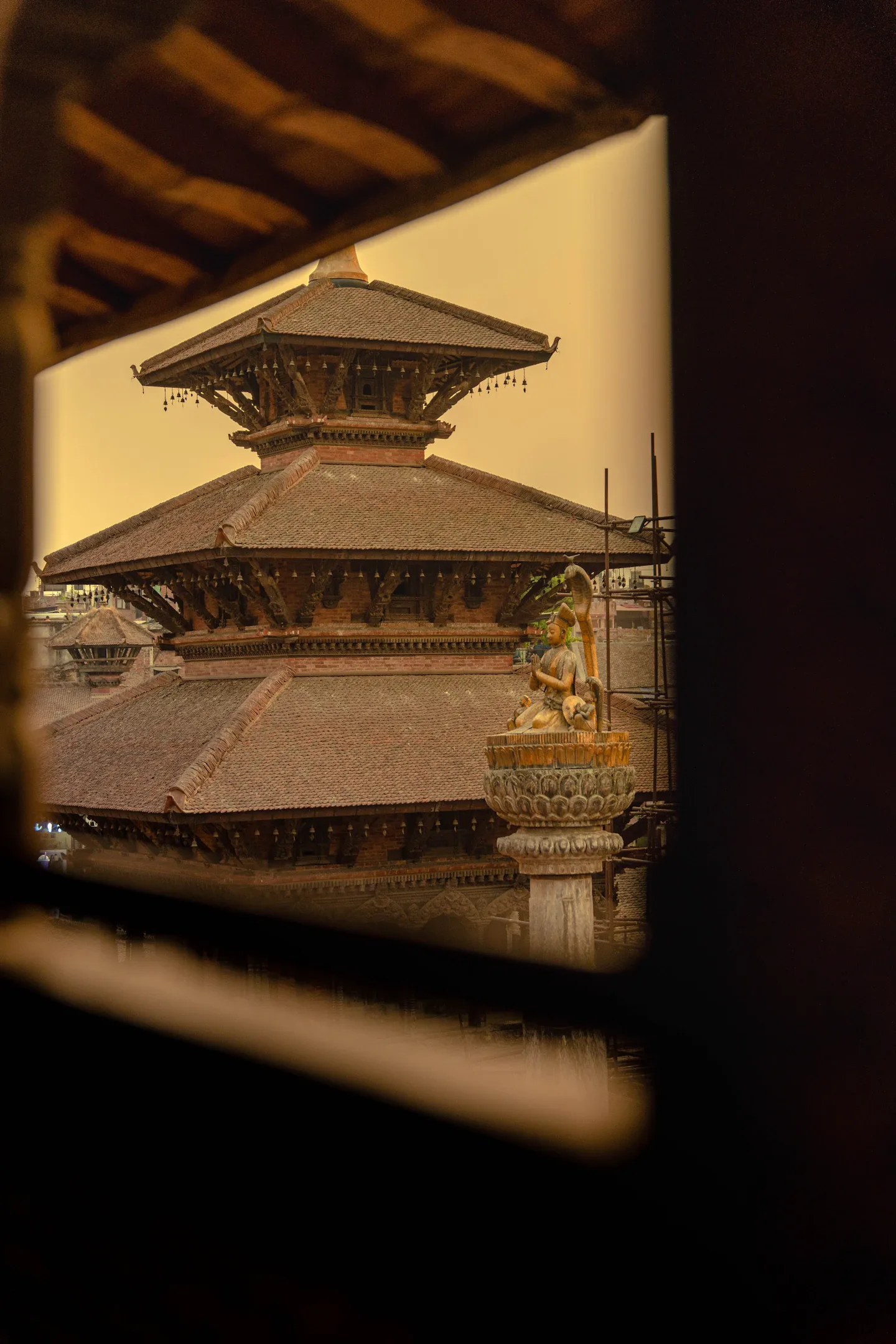
A Patan sightseeing transfer works best when transport and walking are planned together. The vehicle brings the group to a practical starting point, while the visit itself leaves time for heritage, museum interests and the surrounding streets. Decide what you want to explore and how you want to move through it before adding other valley destinations to the same day.
Identify the purpose of your Patan visit
Some visitors want a first introduction to the historic centre; others are interested in art, architecture or a museum-focused outing. Those are different uses of time. Tell the team which interests matter most rather than requesting a generic stop. A short visit between transfers may provide an introduction, but it should not be presented as equivalent to an unhurried guided walk with time to explore in detail.
The Nepal Tourism Board’s city-tour information includes Patan among the Kathmandu Valley’s cultural destinations. Use that context to choose the focus of your day. Ask the local team to check current opening and access arrangements for any specific place you consider essential, especially if the visit is built around a museum rather than an outdoor walking route.
Give the driver an exact starting address
A hotel name and map location help the team plan collection. If you are staying at a private address or need to collect relatives from another property, include those details before the quote is confirmed. Multiple pickups can take time, particularly when the party is not ready at the same moment. Set a reporting time for the group and make sure bags and personal items are organised before the vehicle arrives.
Tell the provider whether the outing ends where it began. A visit that finishes at another hotel, an office or an airport is a different movement from a return sightseeing trip. Include luggage if you are changing accommodation. A car that comfortably carries the group’s day bags may need a different allocation when it also carries all the holiday suitcases.
Agree where the walking portion begins
Ask for a practical drop-off point and an explanation of the walking route from there. Heritage areas should not be treated as fully accessible by vehicle simply because you have booked privately. The driver’s stopping options depend on current local arrangements. If short walking distances are important, explain that clearly and ask what can reasonably be arranged for the day.
Save the collection point and driver’s number before leaving the vehicle. A map location can help, but a recognisable landmark and a clear time are often easier for a group to follow. If the visit ends somewhere different, agree the new collection in advance. Avoid asking the driver to find the party inside an area where stopping or vehicle access may be limited.
Decide how much interpretation you want
A guide can help connect architecture, history and the living city around the sights. Request one if interpretation is central to the experience, and identify any language preference. Ask whether the guide travels with the group from the hotel or meets locally. If the guide needs transport between visits, include that person in the passenger count rather than assuming there will be an extra seat.
If you prefer to explore independently, keep the transport arrangement clear and give yourself sufficient time to find the meeting point again. Ask for current admission and opening information where relevant. The driver can support the agreed movement, but independent exploring still requires the group to manage its own pace and return within the confirmed service period.
Allow space for a museum or a slower walk
An interest in a museum can change the rhythm of the day. Rather than treating it as a brief extra, ask how much time to allow and whether the opening arrangements suit your date. A group that wants detailed exhibits and a quiet break may prefer fewer other stops. Do not judge the day only by the number of destinations reached; time spent engaging with one place can be more valuable than repeated boarding and driving.
For travellers who enjoy photography or drawing, allow room to pause without making the rest of the party wait indefinitely. Agree a meeting time and a manageable area. If the group has very different interests, a shorter shared visit followed by free time may work better than keeping everyone together for every minute. The guide and transport team should know the agreed reunion plan.
Combine destinations carefully
Patan can be part of a wider valley sightseeing day, but the complete route should be discussed before booking. Ask whether the proposed combination leaves enough time for walking, lunch and the journey between locations. The best order may depend on the hotel and the group’s priorities. A list that looks short on paper can still become a long day when parking and entry time are included.
If another visit is optional, label it as optional. That gives the organiser a sensible choice when the group wants longer in Patan or when traffic affects the plan. Avoid turning every delay into pressure to rush the next stop. A private outing benefits from a clear hierarchy: essential experiences first, optional additions only when they still fit comfortably.
Make the day suitable for mixed ages
Explain any practical walking or boarding needs before the vehicle is selected. A higher vehicle is not automatically easier for every traveller, and a short drive does not remove the walking required at the destination. Ask about steps, likely standing and opportunities to pause. The team can help shape the visit, but should not be expected to infer individual needs from the age range alone.
For families with children, leave room for a drink, snack or change of pace. For older relatives, consider fewer transfers between places and a clear return option. If someone decides to finish early, contact the organiser or operations team rather than making a separate informal request to the driver. The group’s transport should continue to follow one agreed plan.
Confirm what the price covers
A transport quotation should identify collection, waiting, the main destination and final drop-off. Guiding, admissions, meals and any additional stop need their own clear treatment. Ask how extra waiting is priced and whether the service has an agreed finish time. This allows you to compare offers on the same basis and decide whether a transport-only arrangement or a broader sightseeing package is more suitable.
Before leaving the final collection point, check that the party and its belongings are complete. Keep the last transfer relaxed rather than adding a surprise stop while the driver is already returning. A well-organised Patan outing lets the group enjoy the walking experience with confidence that the transport has a clear beginning, middle and end.
Make the day work for everyone in your party
Before fixing the order of visits, ask each traveller for one priority and one practical concern. One person may want time for photographs, another may prefer a seated lunch, and someone else may need shorter walking sections. These details affect the transport schedule more than a long list of attractions. Give the driver a shared plan rather than several competing sets of instructions. Choose one person to approve changes and pass them to the operations contact.
Treat the time outside the vehicle as part of the itinerary. Parking, walking to an entrance, buying tickets and returning to the meeting point all occupy time. A private car gives you control over your booking, but it does not remove queues or create access where vehicles are restricted. Ask about the closest practical drop-off, then decide whether that arrangement suits the group. If not, adapt the visit before travel instead of relying on an unplanned exception.
Keep the booking brief useful and compact. Include the hotel name and map location, guest count, bags carried during the outing, preferred start, main visits and final destination. Mention if the trip ends at a different hotel. Ask whether the quoted service includes waiting throughout the visits, what the agreed finish time is, and how extra stops are priced. A sightseeing arrangement and a single transfer can look similar in an advertisement while offering very different services.
Keep tickets, guiding and transport clear
A driver and a sightseeing guide have different responsibilities. If you want historical interpretation, help organising visits or a particular language, request a guide explicitly. Similarly, entrance tickets, meals, local activities and parking should be identified in the quotation rather than assumed to be included. Use current attraction information when budgeting because admission categories and opening arrangements can change. Do not treat an old blog price as a confirmed charge for your date.
At the start of the day, save the driver’s contact and agree a recognisable meeting place for every longer stop. If mobile data may be unavailable, keep the name of the hotel and the operations number offline. When the group changes its plans, tell the driver before extending a visit. Clear updates protect the time reserved for the next stop and reduce unnecessary waiting. Leave enough flexibility to enjoy the destination without turning every visit into a race against the clock.
Plan this journey with our team
Vehicle Rent Nepal is a sister concern of Shivalaya Holidays Pvt. Ltd. For the wider holiday, explore Shivalaya Holidays Nepal tour packages and ask the team to match the transport to your chosen itinerary. Nepal Tour.Travel is also our sister concern. Vehicle hire and a complete tour package have different inclusions, so confirm exactly which services you want in the same quotation.
Send your dates, pickup location, destinations, passenger count and luggage details through our vehicle quotation form. You can also speak with Sushma Aryal on +977 9851206780 or Dinesh Ghimire on +977 9851421660 / +91 8744821660. A clear brief lets the shared team propose the vehicle and arrangements that fit your journey.

A sister concern of Shivalaya Holidays Pvt. Ltd. Our shared Kathmandu team helps arrange private vehicles, border connections and Nepal holidays. Contact our team for arrangements matched to your dates.