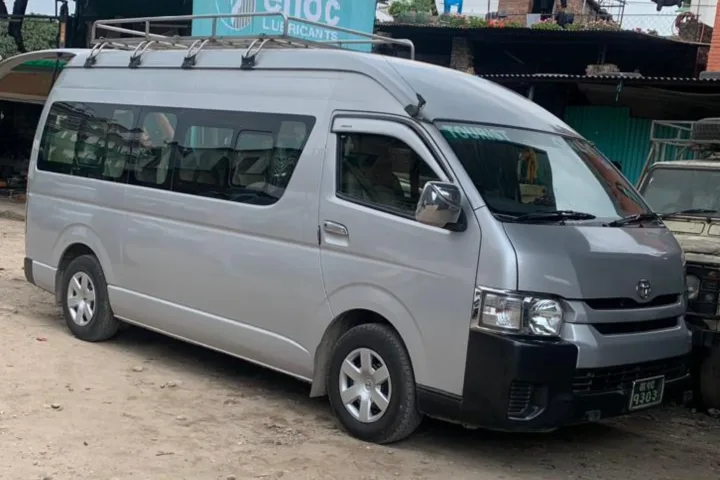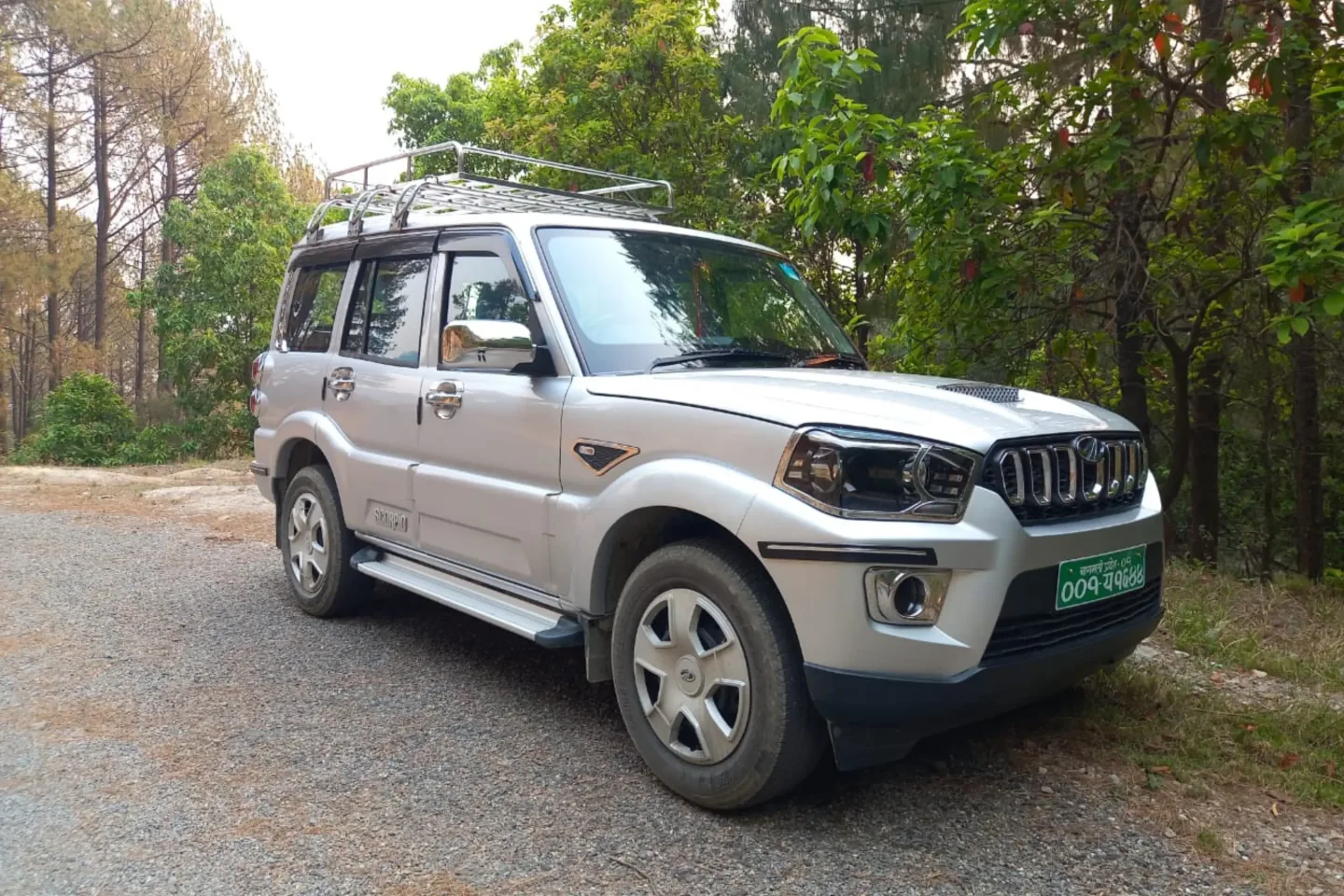
An SUV or Scorpio request often begins with a desire for space, comfort or a vehicle suited to a particular Nepal route. Those are useful starting points, but the category name does not answer every practical question. Confirm the actual configuration, luggage arrangement, boarding needs and current route suitability before deciding that it is the right vehicle for your holiday.
Explain the reason for choosing an SUV
Tell the team what you want the category to provide. A family may value a different seating arrangement, while another group may be asking about a specific hill journey. A preference for a higher seating position is different from a requirement associated with road conditions. Clear priorities let the operator assess the request instead of guessing what the word SUV means to your party.
Avoid assuming that all vehicles in a broad category share the same features or capability. The allocated model, configuration and condition matter. If a particular model is essential, request written confirmation. If an equivalent category is acceptable, identify the features that must be preserved. This makes any proposed alternative easier to assess before the travel day.
Do not treat the category as an access guarantee
An SUV label does not guarantee that every road is open or suitable for travel. Share the complete itinerary and ask the operator to assess current conditions and the appropriate allocation. A road that was used on a previous trip may have different conditions on your date. The vehicle choice should follow the route assessment, not replace it.
If the itinerary includes a destination with uncertain access, ask how the team decides whether to proceed and what alternative plan would be discussed. Do not pressure a driver to continue simply because the booking uses a vehicle marketed for hill travel. A sound transport plan includes the possibility of changing arrangements when current circumstances make the original route unsuitable.
Check seating with all guests aboard
Ask how many guest seats are included in the proposed configuration, with the driver counted separately. Include children, guides and tour leaders in the request. If the vehicle uses rear seats that affect luggage space, ask how the full party and its bags will be accommodated together. A seating diagram without luggage does not describe the complete airport or multi-day transfer.
Consider where each traveller is comfortable sitting. Some groups prefer spare seating or easier access to a door. Explain those preferences before the allocation is confirmed rather than assigning them after the vehicle arrives. The operator can then discuss whether the category meets the need or whether a different arrangement would be more comfortable.
Review boarding height and practical access
A higher vehicle is not automatically easier for every passenger to enter. Tell the team about any difficulty with steps, balance or prolonged standing. Ask for a description of the actual boarding arrangement and whether assistance or equipment can be confirmed. Do not infer an accessibility feature from the category name or a general promotional image.
Also provide exact hotel locations and approach instructions. A suitable road vehicle may still need a particular stopping point at an accommodation or heritage area. If the group has large bags or a traveller who needs a short walk, discuss the final connection in advance. The last few metres of a transfer can be important to the overall experience.
Plan luggage realistically
Count the main suitcases, day bags and unusual items. A family on a longer Nepal circuit may carry considerably more than a group making a short local outing. Ask where luggage is stored when all required seats are occupied. Avoid planning to place loose heavy bags around passengers or in spaces needed for doors and normal movement.
If an external luggage arrangement is proposed, ask how it is secured and protected and whether it is appropriate for the allocated vehicle and route. Do not assume that any rack can carry any load. The operator should confirm the actual arrangement. If the luggage requirement remains uncertain, a different category or a separate luggage solution may be more sensible.
Distinguish a transfer from a multi-day booking
An SUV collecting guests for one road movement does not automatically remain available for all local activities after arrival. State whether you need point-to-point transport, sightseeing with waiting or a vehicle accompanying several days. Include overnight stops and daily start and finish expectations. The team can then explain the driver arrangements and service boundaries.
For a continuing vehicle, ask about overnight driver accommodation, meals and allowances. Confirm whether those expenses are included rather than leaving them to be discussed at each hotel. If the route changes its overnight destination, tell operations promptly. The change may affect more than distance, including staffing, accommodation and the following day’s schedule.
Use photographs carefully
Photographs can help explain seating and luggage arrangements when they show the relevant vehicle. Ask whether an image represents the actual allocation or a general example. If a particular feature matters, have it identified in the confirmation. A polished image should not replace a clear description of what the provider is agreeing to supply.
Likewise, distinguish comfort preferences from guarantees. Air-conditioning, seating configuration or another feature should be discussed for the offered vehicle rather than assumed from the brand name. If the allocation changes, compare the replacement against those agreed requirements. Contact operations before departure if the arrangement differs materially from what was confirmed.
Compare the full quotation
Ask for the route, dates, pickup, final drop-off, driver, included expenses and waiting terms. Confirm the currency and whether the amount covers the complete vehicle service or another pricing basis. A quote for a direct transfer is not equivalent to a multi-day arrangement with sightseeing and overnight expenses. Compare like with like before judging the price.
If a particular route needs a different vehicle on one section, ask the team to explain the handover. The same principle applies to India arrival connections and Nepal touring legs: a requested category on one stage does not establish the allocation for every stage. A written movement plan makes those distinctions clear before the group travels.
Make the final decision from the brief
Choose the SUV or Scorpio option when the proposed allocation fits the people, luggage, route and comfort priorities you have described. If it does not, consider the alternative recommended by the team. The goal is a well-matched journey, not simply securing a category name. Recheck any changes to guests, bags or hotels before the travel date so that the final vehicle decision remains valid.
Turn vehicle preferences into a usable brief
Start with the people and bags rather than a model name. Give the number of adults and children, the total suitcases and their approximate sizes, and any equipment that does not fit a normal luggage description. Explain boarding needs in practical terms. A traveller may need a lower step, a seat near a door or room to stow a folding mobility aid. Ask the operator to confirm what can actually be provided; never infer a feature from a generic category photograph.
Share the complete route, including the final hotel approach and all overnight stops. The vehicle that looks convenient for a short city transfer may be a different choice for several days with luggage. Likewise, a larger vehicle can introduce access and parking constraints. Ask the team to consider the whole booking rather than selecting the category solely from the first journey. State whether your preference is essential or whether a comparable alternative may be proposed before confirmation.
Photographs are useful when their purpose is clear. Ask whether an image shows the allocated vehicle, an example of the same configuration or simply the category. Where a particular feature matters, put it into the written confirmation. Check passenger seating separately from the driver’s seat, and check bags separately from seating. An empty seat is not automatically an approved luggage compartment, and aisles or exits should not be treated as storage space.
Compare the service behind the vehicle
Request a quotation that identifies dates, route, pickup, final drop-off, driver arrangements and service limits. Ask about fuel, parking, road charges, waiting, extra stops and overnight driver expenses where relevant. Confirm the currency and the price basis before comparing offers. Two quotes naming the same vehicle category may cover different hours, routes or responsibilities. The useful comparison is the complete agreed service for your party, not a number detached from its conditions.
Before travel, obtain the meeting instructions and a reachable operations contact. Tell the team promptly if guest numbers, luggage or hotels change. Recheck the allocation after a material change rather than assuming the original vehicle still fits. Keep essential belongings with each traveller and count larger bags during loading and unloading. If an issue appears on the day, contact operations before accepting a substitute arrangement that changes the agreed service or creates an unquoted charge.
Plan this journey with our team
Vehicle Rent Nepal is a sister concern of Shivalaya Holidays Pvt. Ltd. For the wider holiday, explore Muktinath Darshan with Chitwan Jungle Safari and ask the team to match the transport to your chosen itinerary. Nepal Tour.Travel is also our sister concern. Vehicle hire and a complete tour package have different inclusions, so confirm exactly which services you want in the same quotation.
Send your dates, pickup location, destinations, passenger count and luggage details through our vehicle quotation form. You can also speak with Sushma Aryal on +977 9851206780 or Dinesh Ghimire on +977 9851421660 / +91 8744821660. A clear brief lets the shared team propose the vehicle and arrangements that fit your journey.

A sister concern of Shivalaya Holidays Pvt. Ltd. Our shared Kathmandu team helps arrange private vehicles, border connections and Nepal holidays. Contact our team for arrangements matched to your dates.