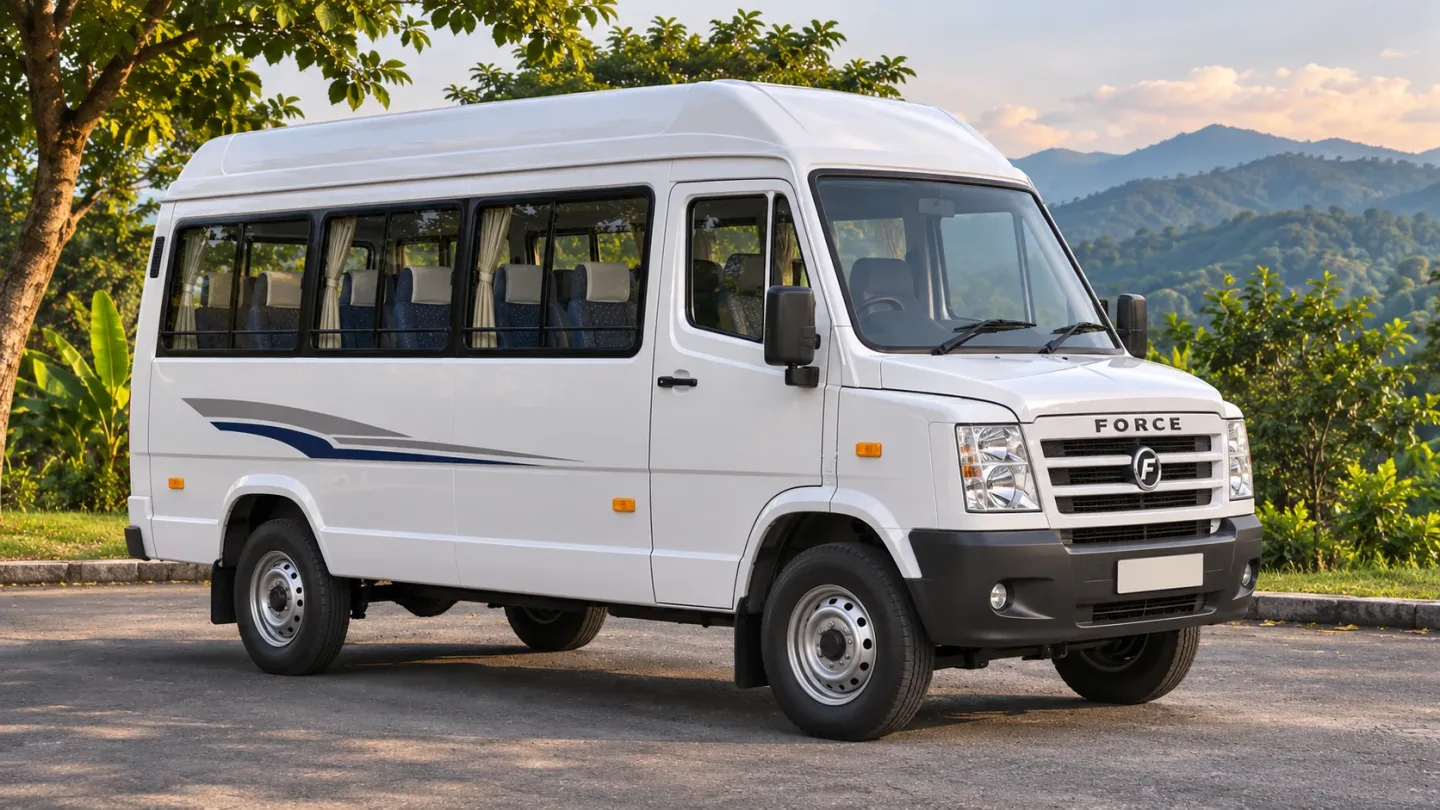
Keeping a group together can make an arrival connection easier to organise. Everyone receives the same meeting instructions, bags travel with the same party and the tour leader can explain the next stage once the group is assembled. A Tempo Traveller is one option to discuss for Nepal border transfers, but a good booking needs more detail than the vehicle name alone.
Vehicle Rent Nepal coordinates border pickup and drop-off enquiries with the Shivalaya Holidays team. This guide focuses on the decisions a group organiser should make before requesting a Tempo Traveller: the passenger list, seating configuration, baggage plan, arrival waves, border handover and onward Nepal itinerary.
Define the group that will actually travel
Start with a complete passenger count. Include the tour leader, accompanying staff, children and any guests joining at a later pickup. Distinguish the number of paying clients from the number of people who need seats; they are not always the same in an organised group booking.
Keep one current passenger list rather than several competing versions. If the group size changes, send the revised count to the operations team and ask whether the allocation remains suitable. Do not assume that a late addition can be absorbed because the vehicle appears large in a photograph.
Identify one travelling coordinator and one backup contact. Their role is to assemble the group, check passengers and bags, and communicate agreed instructions. The driver should not have to choose between conflicting directions from several guests who each believe they are organising the transfer.
Request the allocated seating configuration
The Traveller range includes different variants and layouts. A general request for a “Tempo Traveller” therefore does not specify every feature of the vehicle that will arrive. Ask for the proposed configuration and the number of guest places allocated to your booking.
Check whether your group requires additional room beyond the nominal passenger count. A tour leader may carry documents or equipment, and guests may appreciate extra space after a long arrival journey. Those preferences should be part of the enquiry rather than an expectation added after the vehicle has been confirmed.
If photographs are supplied, ask whether they show the actual proposed vehicle or illustrate the category. A category photograph can help explain the offer, but it should not be treated as proof of a particular seat layout, luggage arrangement or equipment package. The written allocation remains the important reference.
Make a separate baggage plan
Group luggage quickly becomes more complicated than a headcount. Count large cases, smaller bags and shared items such as event materials or pilgrimage supplies. If different guests have different baggage allowances, collect the information before asking the provider to assess the vehicle.
Ask where the bags will be carried in the proposed configuration and whether any special arrangement is included. Do not assume the aisle, passenger seats or an external carrier can be used without agreement. The luggage plan should preserve the intended passenger allocation and allow the group to board and leave sensibly.
Label bags in a simple way the group can recognise. At a vehicle change, the coordinator can compare the loaded items with the agreed count. Keep items needed during the journey accessible, while ensuring they do not become loose obstacles in the passenger area. A clear loading routine reduces confusion at each stop.
Decide whether arrivals form one group or several waves
A group arriving on one train is different from a group arriving on three flights. Send the actual connections and explain when you expect everyone to be ready. Ask whether one combined pickup is practical or whether separate transfers would better match the arrival pattern.
If the first guests wait for later arrivals, identify the meeting arrangement and the waiting period that has been agreed. The earliest scheduled arrival should not automatically become the start of an open-ended vehicle booking. Make sure the transport quotation reflects the collection plan you intend to use.
For a hotel assembly point, give guests a clear reporting time and keep the departure time separate. Reporting allows the coordinator to count passengers and load bags. It is more useful than announcing only a departure time and discovering that several guests still need to check out when the vehicle is ready.
Give station and airport instructions in one message
Prepare a short arrival note for the travelling group. Include the date, arrival connection, agreed meeting point, coordinator and operations contact. Use the same wording for everyone, and update it when the confirmed arrangement changes. Avoid letting informal messages replace the final instructions.
Ask the team when the driver or local coordinator's details will be supplied. The travelling organiser should know how to report a delayed connection or a change in the group's readiness. A vehicle booking is easier to manage when the communication process is settled before guests arrive.
Keep the group together until the meeting arrangements are clear. If passengers independently move to different exits or pickup areas, a single transfer can turn into several collections. Follow the instructions agreed for your booking and contact the coordinator if those instructions cannot be followed on arrival.
Treat the border handover as an organised step
Your confirmed itinerary may use the Tempo Traveller for the India arrival leg and another vehicle for Nepal touring. Ask for the category on each side, the agreed handover location and the person responsible for coordinating the transition. Do not assume the first vehicle operates throughout the holiday.
If one vehicle is proposed across the border, have that arrangement explicitly confirmed. The model name does not establish operating permission, and passenger entry requirements are a separate matter. Check current personal travel-document requirements with the relevant official authority rather than relying on a transport quotation as entry advice.
At a change of vehicle, use the passenger list and bag count together. The coordinator should confirm that everyone and every agreed item has moved before the previous vehicle departs. Allow the group enough time to understand the next stage instead of treating the handover as an unplanned interruption.
Coordinate the first Nepal overnight stop
The first hotel should fit the arrival connection and the group's pace. Tell the team whether guests have travelled overnight and whether a meal or rest is a priority. A transport plan that looks efficient on paper can feel rushed if it ignores the way the group reaches the starting point.
Separate the day's essential destination from optional visits. If an arrival is delayed, the organiser needs to know which elements can be adjusted by agreement. Avoid promising a full sightseeing schedule to guests before the operations team has assessed the complete arrival and onward journey.
For an extended group holiday, discuss Shivalaya Holidays' Kathmandu, Chitwan, Pokhara and Nagarkot program. Ask how the program could connect with your border arrival, group size and available nights. The final quotation should identify the transport and holiday elements actually included.
Match group routines to the road program
Agree how meal stops and comfort breaks will be handled. The itinerary does not need a minute-by-minute script, but the coordinator should understand the planned sequence. Guests can then prepare for the journey without expecting an unscheduled stop for every individual request.
For each overnight departure, confirm the hotel pickup point and whether the vehicle can collect at the entrance. Large-group boarding may need a different assembly arrangement from a private car pickup. Share hotel locations early so the transport team can discuss practical access before the day of travel.
Use one channel for agreed itinerary changes. The coordinator can collect the group's wishes and discuss them with operations rather than asking the driver to make several uncoordinated changes. Any extra service should be understood and approved by the person authorised to make decisions for the booking.
Read the quotation as a group service agreement
Check the currency, total amount and price basis. Ask whether the quotation covers the full vehicle, each passenger or a defined package. Confirm whether every agreed leg is included, particularly when the border connection and Nepal touring use different vehicles.
Look for clear treatment of fuel, driver expenses, parking, waiting and overnight arrangements. Ask how additional hours, stops or a revised route would be handled. These details matter to a group organiser because a small change in the itinerary can affect transport, meals and hotel timing together.
Read payment, cancellation and group-size amendment terms before collecting commitments from guests. Avoid announcing a refundable or flexible arrangement unless the provider has confirmed those terms. Keep the accepted proposal and any later changes in one place so the organiser can explain the booking accurately.
Plan the final departure with the same care
Confirm the last Nepal hotel, departure pickup, destination station or airport and scheduled connection. If the group splits, prepare a separate list for each vehicle or departure arrangement. A single group on arrival may require several different services at the end of the holiday.
Work with the team on an appropriate timing margin. A road estimate is not a guaranteed connection time, and a larger group also needs time to assemble and load. If the departure is especially important, discuss whether a different final-night arrangement would make the plan more manageable.
Send your Tempo Traveller request through our border pickup and drop-off page. Include passengers, bags, arrival connections and the Nepal program. Email tour@shivalayaholidays.com, contact Dinesh Ghimire on +977 9851421660 or +91 8744821660, or speak with Sushma Aryal on +977 9851206780. Vehicle Rent Nepal is a sister concern of Shivalaya Holidays; Nepal Tour.Travel is also our sister concern.

A sister concern of Shivalaya Holidays Pvt. Ltd. Our shared Kathmandu team helps arrange private vehicles, border connections and Nepal holidays. Contact our team for arrangements matched to your dates.