A vehicle can have enough seats and still be the wrong choice for a group carrying luggage. Before booking transport in Nepal, count the bags as carefully as the passengers. A useful luggage brief helps the operator choose an allocation that keeps the cabin usable, makes loading easier and avoids a last-minute change when everyone is ready to depart.
Count the people who actually need seats
Include every adult, child, guide and tour leader who will travel in the vehicle. Do not leave children out of the count because they are young, or assume that a guide can occupy an unspecified spare position. Ask the provider to distinguish guest seats from the driver’s seat. If the advertised number refers to the vehicle’s total seating, it may not match the number of travellers you can book. Confirm the allocation in plain language.
Check whether the group changes during the itinerary. Relatives may join for a sightseeing day, a guide may travel only between certain cities, or an airport transfer may collect people from two flights. Write down the highest passenger count for each movement. The same vehicle may be suitable throughout, but that should follow from the full plan rather than a count based only on the first day.
Describe bags by size and type
“Six bags” can mean six small backpacks or six large hard-shell suitcases. Give approximate sizes, or describe bags as cabin-size, medium or large alongside a photograph if useful. Include soft duffels, trekking bags, shopping bags and items that will be added later. Explain whether any bag must remain upright or cannot be stacked. This is particularly relevant for fragile equipment, musical instruments and event materials.
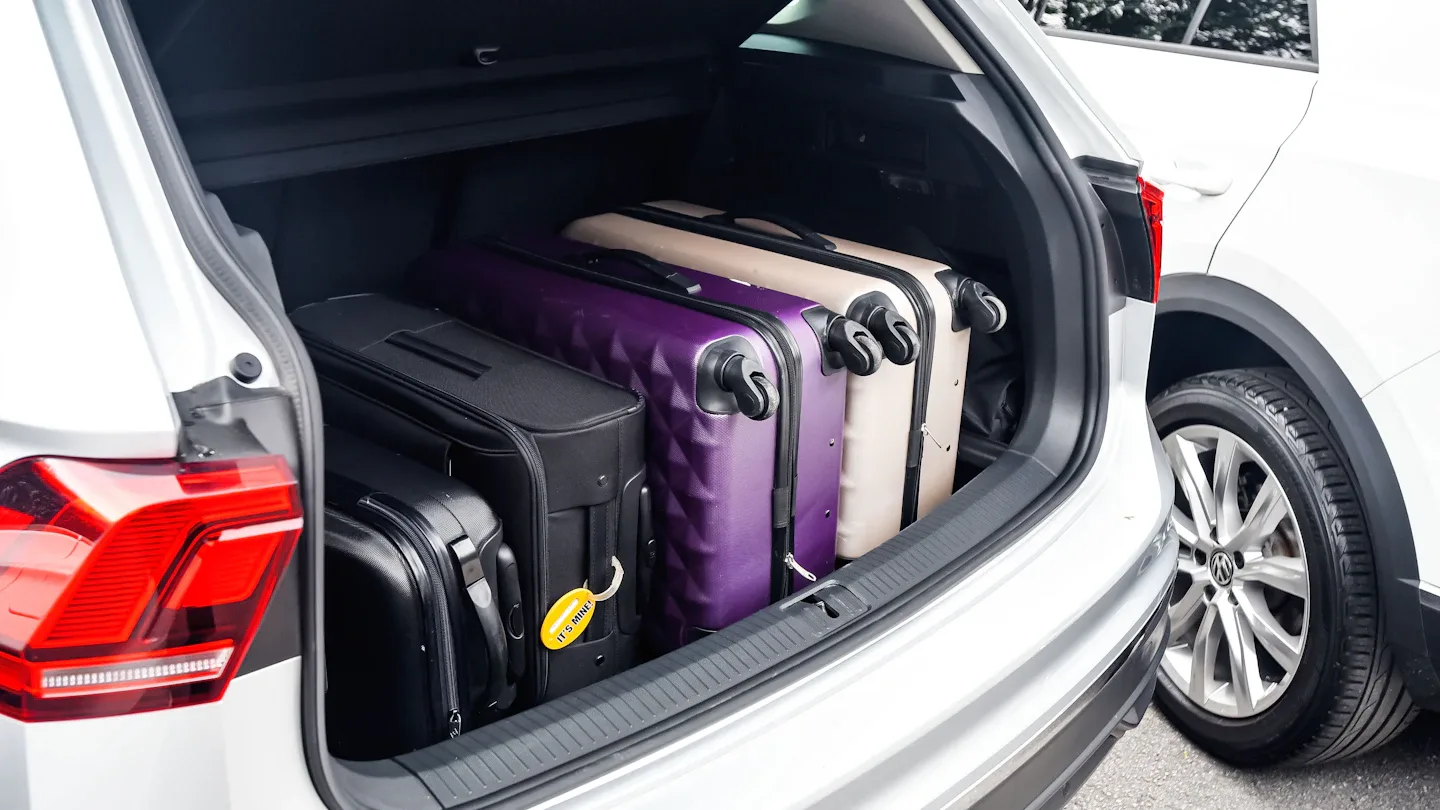
A luggage photograph helps the team understand the load, but it should show the actual collection of bags rather than an example from a previous trip. Avoid including passports or other private documents in the picture. If the luggage count changes after the vehicle is confirmed, send the update promptly. It is easier to revise an allocation before arrival than after the driver has reached the meeting point.
Plan for children’s equipment
A stroller, travel cot or child restraint can occupy space that is not obvious from the passenger list. State whether the item folds and provide its approximate packed size. If you need the operator to supply a child restraint, request it explicitly and obtain confirmation. Do not assume that it is included with every car or available in every category. The requirement may affect both the vehicle and the seating arrangement.
Keep the items needed during the journey within sensible reach. A small bag with snacks, clothing or other essentials is different from the main suitcase load. Plan where those smaller bags will be kept without blocking doors or preventing proper use of seats and restraints. The goal is a usable cabin, not simply fitting every object somewhere before the doors close.
Include mobility aids and unusual items
Describe folding wheelchairs, walking frames or other aids in practical terms: packed dimensions, whether they fold, and whether assistance is required to load them. Also explain the traveller’s boarding needs. Space for an aid does not establish that a vehicle is accessible for the person using it. Ask the team to confirm the actual arrangement, and avoid treating a general vehicle category as proof of a particular accessibility feature.
The same principle applies to sports equipment, photography cases and exhibition materials. Identify items that are long, heavy or fragile, and ask how they will be transported. A separate luggage arrangement may be more appropriate than using passenger space. If an additional vehicle is proposed, clarify who accompanies the bags, where they are delivered and how the group verifies that all items have arrived.
Understand the effect of seat configuration
Some vehicles offer different seating layouts or use rear seats that affect the luggage area. Ask about the configuration being allocated to your booking. A picture of one version does not establish the space available in another. If the group needs all passenger seats, ask where the complete luggage load will go with those seats occupied. Avoid comparing a vehicle pictured with seats folded against a booking that requires those seats for guests.
An unused seat should not be treated as a general storage solution without the operator’s agreement. Loose or poorly placed bags can interfere with passengers, doors and exits. Ask for a loading arrangement that keeps required spaces clear. If the answer depends on squeezing items into the cabin, consider whether the vehicle category should be changed instead. A comfortable trip starts with a realistic load, not an optimistic diagram.
Pack differently for transfers and sightseeing
An airport transfer carries most of the holiday luggage. A local sightseeing outing may carry only day bags. If you are using different vehicles for those services, describe the load separately for each. Do not assume that the smaller vehicle used comfortably during sightseeing will also suit the departure transfer. Equally, a larger luggage requirement on one day does not always mean the group needs the same allocation for every short movement.
For a multi-day tour, check whether bags remain in the vehicle during visits and what practical arrangement is available. Keep valuables and essential documents with their owners. At hotel changes, count the larger bags before departure instead of relying on each person to notice an omission later. A simple group count is particularly useful when several families have similar suitcases or when luggage is moved by hotel staff.
Use a luggage worksheet
| Item to record | Useful detail |
|---|---|
| Travellers | Adults, children and accompanying staff by movement |
| Main bags | Number and approximate size of suitcases or duffels |
| Day bags | Bags guests expect to keep accessible |
| Special equipment | Dimensions, weight concerns and handling needs |
| Changes | Guests or bags added later in the itinerary |
| Loading check | One person responsible for the final count |
Send the completed worksheet with the route and dates. It gives the team enough context to explain why one vehicle is recommended over another. If two categories are offered, compare the luggage arrangement as well as the price. Ask what changes if a larger bag is added or a guest brings equipment that was not included in the original brief.
Check the load before departure
On the day, allow time to load without rushing. Confirm the passenger count, check that bags are accounted for and make sure essential items remain accessible. If the arrangement differs materially from what was agreed, contact operations before the journey begins. It is better to resolve a space issue at the pickup point than discover it after the group has already committed to a long road transfer.
Turn vehicle preferences into a usable brief
Start with the people and bags rather than a model name. Give the number of adults and children, the total suitcases and their approximate sizes, and any equipment that does not fit a normal luggage description. Explain boarding needs in practical terms. A traveller may need a lower step, a seat near a door or room to stow a folding mobility aid. Ask the operator to confirm what can actually be provided; never infer a feature from a generic category photograph.
Share the complete route, including the final hotel approach and all overnight stops. The vehicle that looks convenient for a short city transfer may be a different choice for several days with luggage. Likewise, a larger vehicle can introduce access and parking constraints. Ask the team to consider the whole booking rather than selecting the category solely from the first journey. State whether your preference is essential or whether a comparable alternative may be proposed before confirmation.
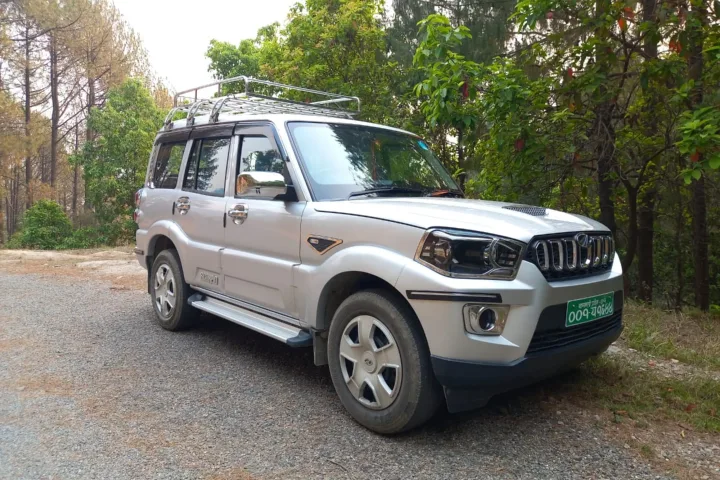
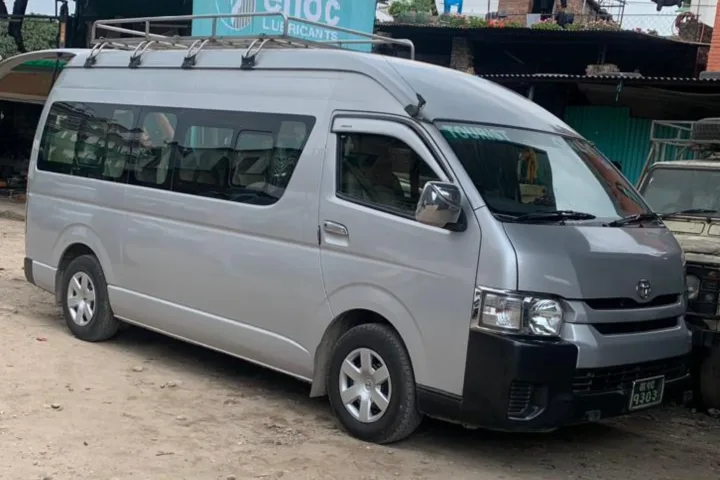
Photographs are useful when their purpose is clear. Ask whether an image shows the allocated vehicle, an example of the same configuration or simply the category. Where a particular feature matters, put it into the written confirmation. Check passenger seating separately from the driver’s seat, and check bags separately from seating. An empty seat is not automatically an approved luggage compartment, and aisles or exits should not be treated as storage space.
Compare the service behind the vehicle
Request a quotation that identifies dates, route, pickup, final drop-off, driver arrangements and service limits. Ask about fuel, parking, road charges, waiting, extra stops and overnight driver expenses where relevant. Confirm the currency and the price basis before comparing offers. Two quotes naming the same vehicle category may cover different hours, routes or responsibilities. The useful comparison is the complete agreed service for your party, not a number detached from its conditions.
Before travel, obtain the meeting instructions and a reachable operations contact. Tell the team promptly if guest numbers, luggage or hotels change. Recheck the allocation after a material change rather than assuming the original vehicle still fits. Keep essential belongings with each traveller and count larger bags during loading and unloading. If an issue appears on the day, contact operations before accepting a substitute arrangement that changes the agreed service or creates an unquoted charge.
Plan this journey with our team
Vehicle Rent Nepal is a sister concern of Shivalaya Holidays Pvt. Ltd. For the wider holiday, explore Shivalaya Holidays Nepal tour packages and ask the team to match the transport to your chosen itinerary. Nepal Tour.Travel is also our sister concern. Vehicle hire and a complete tour package have different inclusions, so confirm exactly which services you want in the same quotation.
Send your dates, pickup location, destinations, passenger count and luggage details through our vehicle quotation form. You can also speak with Sushma Aryal on +977 9851206780 or Dinesh Ghimire on +977 9851421660 / +91 8744821660. A clear brief lets the shared team propose the vehicle and arrangements that fit your journey.

A sister concern of Shivalaya Holidays Pvt. Ltd. Our shared Kathmandu team helps arrange private vehicles, border connections and Nepal holidays. Contact our team for arrangements matched to your dates.