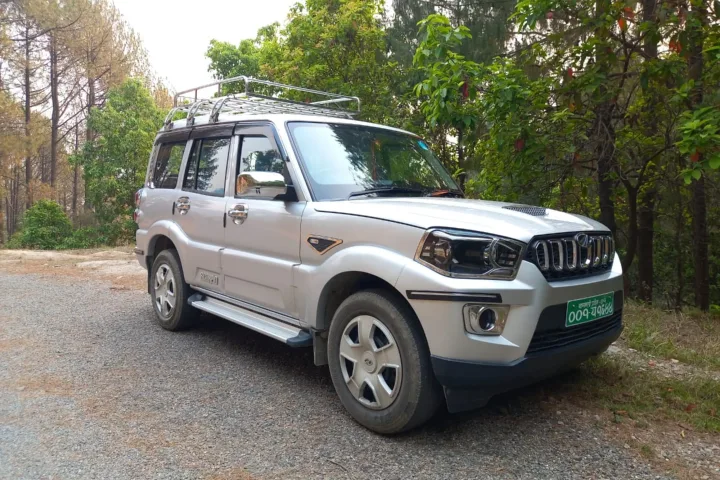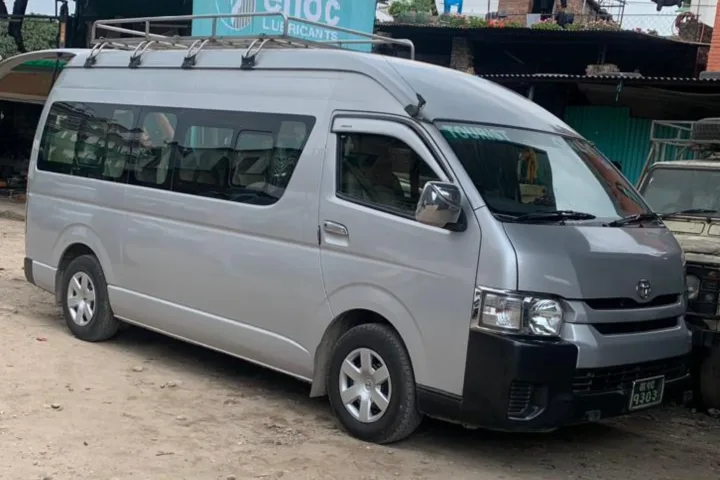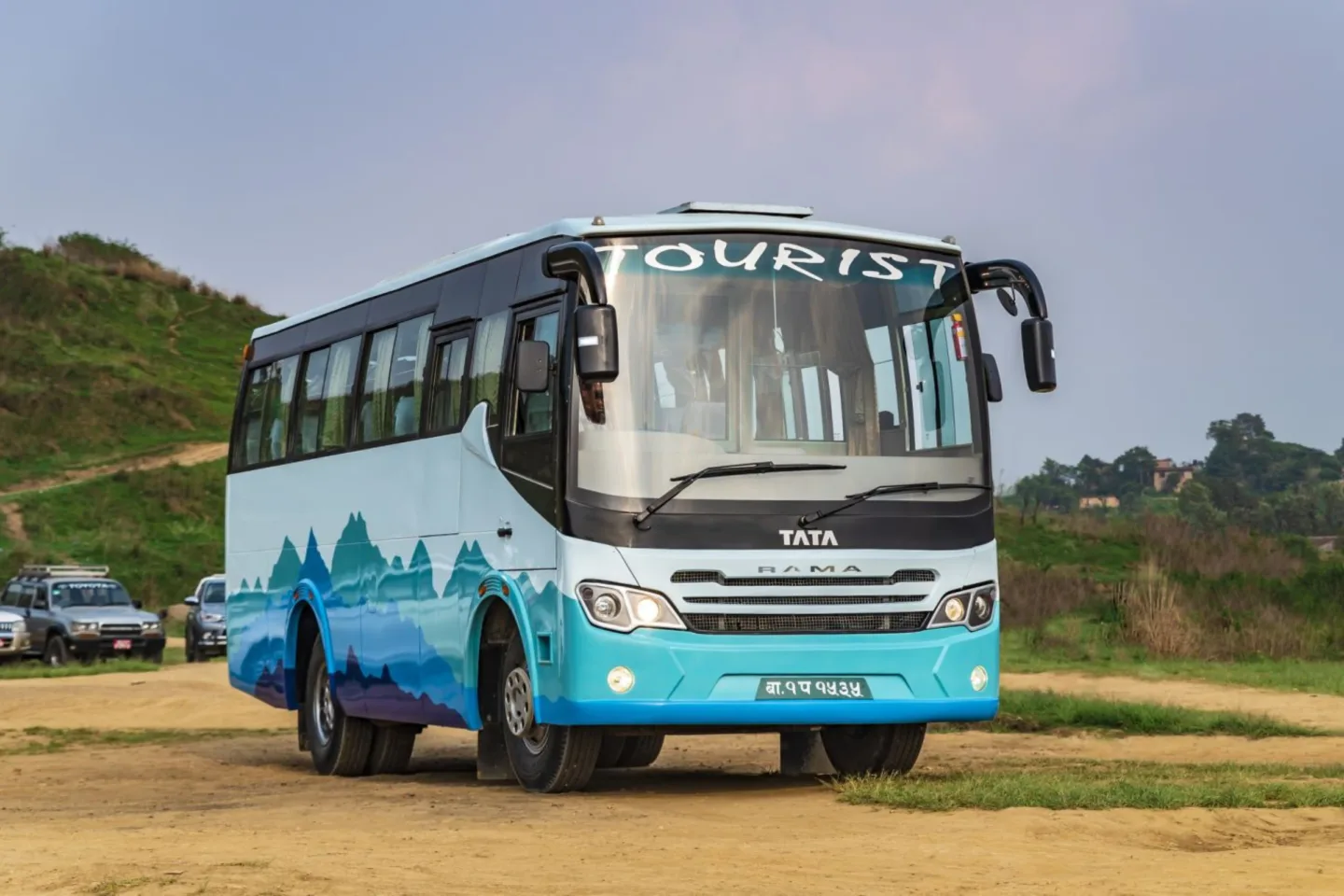
A tourist bus can keep a larger Nepal travel group together, but the booking involves more than choosing enough seats. Hotel access, luggage, boarding points, guide arrangements and the daily route all need to work at coach scale. A clear plan helps the organiser turn a large passenger list into comfortable, predictable movements throughout the holiday.
Begin with a movement-by-movement count
Record how many guests travel on each transfer, including children and accompanying staff. Airport arrivals may be split across flights, while sightseeing and departure groups may have different numbers. Ask the operator to confirm the passenger capacity of the actual bus offered, with the driver and any other operating seats accounted for separately. Do not rely on a category label as a universal capacity guarantee.
If the tour may grow, explain the possible range before booking. A vehicle allocated for the current number may not suit a later increase. Agree when the final count is required and how changes are handled. The organiser should avoid selling additional places on the assumption that an unspecified extra seat will be available.
Check luggage and equipment early
Large groups can carry a substantial volume of bags even when every guest brings only one suitcase. Include cabin bags, staff luggage, banners, gifts and event equipment. Ask how the proposed bus accommodates the full load and whether a separate luggage arrangement is needed. A seat count does not describe luggage capacity, and spare passenger areas should not be treated as default storage.
Use a bag-count system that the group leader can manage. Families or subgroups can label luggage discreetly, while one organiser checks the total during major transfers. Avoid displaying unnecessary personal information on luggage tags. At handovers, confirm where bags are delivered and who verifies them. The loading plan should be explained before the bus reaches a busy arrival point.
Verify hotel and venue approaches
Send all major addresses and ask about bus access, turning space, parking and loading points. A hotel that welcomes a group may still have a restricted approach for a large vehicle. The organiser should know whether guests board at the entrance or another practical location. If an additional short transfer is required, include it in the quotation and joining instructions.
Do not assume that a coach can reach every attraction entrance or hill hotel. The route should be assessed for the proposed vehicle and current conditions. If smaller vehicles are needed for a particular excursion, explain the change clearly to guests. A planned transfer between categories is better than arriving at a location with an unresolved access problem.
Build time for boarding and regrouping
A coach movement includes gathering guests, checking attendance, loading bags and allowing everyone to board. Set a reporting time before the planned departure and make the meeting point unambiguous. For hotel groups, coordinate with reception so that guests receive the same instruction. A large vehicle cannot depart on time if different subgroups are working from different schedules.
At sightseeing stops, agree the collection point and return time before guests leave. A guide or tour leader should manage the group while the driver attends to the vehicle. Count passengers before each departure rather than assuming the last person to board represents the whole party. Clear routines make large-group travel feel organised without overwhelming guests with constant announcements.
Plan a route suited to a larger group
The itinerary should allow for the time a coach group needs at meals, admissions and comfort stops. A schedule designed for two people cannot simply be copied for a much larger party. Ask the operator and guide to review the full daily plan together. Identify which visits are essential and which can be adjusted if the group needs more time.
Avoid packing every transfer day with additional sightseeing. A long road movement followed by a late event can place pressure on both guests and staff. If an early or late service is important, include it in the original brief so that staffing and rest are considered. The driver should not be expected to compensate for an unrealistic itinerary by rushing.
Confirm the passenger experience you require
If particular features matter, ask about them for the allocated bus. Seating layout, boarding arrangements, luggage storage and other facilities should be confirmed rather than inferred from a promotional image. Clarify whether photographs show the actual vehicle or a category example. An organiser can then communicate accurate expectations to guests.
For travellers with specific boarding or mobility requirements, ask for a practical assessment. A large bus is not automatically accessible to every passenger. Describe the need and confirm what can be provided. If a separate vehicle or alternative movement is more suitable, include it in the plan before guests arrive rather than treating it as an emergency improvisation.
Coordinate guides, leaders and operations
A larger group benefits from one clear decision-making structure. Identify the organiser who approves changes, the guide or leader who manages guests, and the operations contact who coordinates vehicles. Make sure those people share the current itinerary. The driver should receive one agreed instruction rather than separate requests from several passengers.
For multiple buses, assign groups and leaders in advance. Use a simple vehicle identifier in joining instructions and keep the passenger allocation current. If guests switch buses, update the manifest so that headcounts remain meaningful. The aim is to know where everyone is without collecting or circulating more personal information than the operation needs.
Compare quotations at the same service level
A bus quote should identify dates, routes, pickup points, final drop-offs, waiting and any standby requirements. Ask about driver expenses, fuel, parking, road charges and overnight arrangements. Confirm how additional movements, late finishes and route changes are priced. A transfer-only offer and a bus accompanying an entire tour are not comparable without adjusting their scope.
If the itinerary includes a border arrival, clarify which vehicle operates the arrival connection and which handles Nepal touring. Do not promise one continuous bus without written confirmation of the arrangement. Passenger procedures and vehicle operations are separate matters, and the group leader needs clear handover instructions if a change is planned.
Give guests a simple final instruction
Before travel, circulate the reporting point, time, luggage guidance and lead contact. Keep the message short enough to be useful. Behind that simple instruction should sit the organiser’s fuller movement sheet and the operator’s confirmed allocation. After each major transfer, check passengers and bags before releasing the vehicle. A professional bus journey feels calm because the detailed coordination has happened in advance.
Give the operation one agreed source of information
Prepare a passenger list for the organiser’s use and a simpler movement sheet for the driver. The movement sheet should show the date, pickup location, departure time, destination, group leader and expected passenger and bag counts. Share only the personal information necessary for the transfer. Drivers need clear movement instructions; they do not need unrelated private details about every guest. Assign one person to communicate changes and keep the group informed.
Decide who checks that the party is ready before the vehicle moves. The count should include guests, children and any accompanying guide or tour leader who needs a seat. Check luggage separately. If the event includes equipment, gifts or presentation materials, describe their size before allocating vehicles. A transport plan based only on delegate numbers can underestimate the space required when everyone arrives with suitcases and event bags.
Use the venue or hotel’s actual vehicle approach when planning boarding. Ask where the driver may wait, whether several vehicles can load together and who will guide guests to the correct vehicle. Keep access routes and exits clear. If the destination cannot accommodate the requested vehicle size, discuss smaller transfers or a practical alternative meeting point before sending joining instructions. The most polished arrival is usually the one with the clearest organisation.
Define the service and the changes process
Break the quotation into identifiable movements or an agreed period at disposal. List airport arrivals, hotel transfers, venue shuttles, sightseeing and final departures separately where they are separate services. Check the treatment of waiting, overtime, additional trips, parking and driver expenses. A vehicle reserved for one transfer should not be treated as unlimited event transport. Confirm who may authorise an extra movement and how its price will be recorded.
Issue final joining instructions only after the vehicle plan is confirmed. Include the meeting point, reporting time, lead contact and what guests should do if delayed. Keep a short version available offline for the organiser. After each major movement, account for passengers and larger bags before releasing the vehicle. If the schedule changes, tell operations promptly and circulate one revised instruction. Consistent communication is more useful than several informal requests reaching different drivers.
Plan this journey with our team
Vehicle Rent Nepal is a sister concern of Shivalaya Holidays Pvt. Ltd. For the wider holiday, explore Nepal MICE and incentive programs and ask the team to match the transport to your chosen itinerary. Nepal Tour.Travel is also our sister concern. Vehicle hire and a complete tour package have different inclusions, so confirm exactly which services you want in the same quotation.
Send your dates, pickup location, destinations, passenger count and luggage details through our vehicle quotation form. You can also speak with Sushma Aryal on +977 9851206780 or Dinesh Ghimire on +977 9851421660 / +91 8744821660. A clear brief lets the shared team propose the vehicle and arrangements that fit your journey.
A sister concern of Shivalaya Holidays Pvt. Ltd. Our shared Kathmandu team helps arrange private vehicles, border connections and Nepal holidays. Contact our team for arrangements matched to your dates.