Wedding and celebration transport in Nepal works best when it supports the day’s atmosphere without becoming another problem for the hosts. Guests may arrive at different times, stay at several hotels and carry formal clothing, gifts or luggage. The right plan separates the couple’s or hosts’ movements from guest shuttles and supplier deliveries. This guide explains how to organise those journeys clearly, whether the event is a family gathering, anniversary, wedding or private celebration.
Build the schedule around the ceremony
Begin with the ceremony, meal, photographs and any reception programme. Then work backwards to identify when each party needs to arrive and where they should assemble. A scheduled arrival at the venue should allow for walking to the event area, greeting relatives and settling in. The vehicle departure is a separate time, and both should appear in the instructions guests receive.
Ask the venue which parts of the programme are fixed and which can move. If several ceremonies take place at different locations, show every transfer explicitly. Do not hide a substantial journey inside a general phrase such as afternoon celebrations. A clear sequence helps the transport team identify whether the same vehicle can serve successive movements or whether overlapping duties require additional vehicles.
Separate the different passenger groups
The hosts or couple may need a dedicated vehicle with a schedule different from the guests. Close family could travel together, while other guests use hotel shuttles. Photographers, makeup artists and event staff may need early access and carry equipment. These groups should have separate entries in the plan even if some later share a transfer.
Choose one transport coordinator who is not occupied with a central ceremonial role. That person can confirm when guests are ready, relay changes and approve extra movements. Give a backup contact to operations in case the coordinator is temporarily unavailable. The hosts should be able to enjoy the event without receiving every question about meeting points, luggage or the next return shuttle.
Choose vehicles for the actual journey
Passenger count is only the first part of vehicle selection. Consider formal clothing, bags, boarding comfort, the length of the movement and access to the venue. An arrival-day transfer with suitcases has different space needs from a short reception shuttle. Explain any practical assistance required by older relatives or guests with limited mobility, and request confirmation of the vehicle features that matter.
If a particular model or appearance is important for the main event vehicle, specify it before booking. Ask whether the proposed photographs show the allocated vehicle or an example. Agree how any substitute would be communicated. For larger parties, confirm the actual seating configuration and baggage provision instead of relying on a generic vehicle category or treating the driver’s seat as a guest seat.
Check the venue approach before sending invitations
Request the exact vehicle entrance, loading location and parking arrangements from the venue. A garden, hotel, temple or private property may have different access conditions. Ask whether large vehicles can reach the entrance and whether there is a practical place for them to turn or wait. Where access is limited, discuss a suitable smaller transfer or an alternative boarding point with the organiser.
Keep directions simple for guests. Include the hotel lobby or entrance where they should gather, the reporting time and the coordinator’s number. If several vehicles depart together, use clear group names or boarding lists. Avoid asking guests to identify their transport only by colour, since several similar vehicles may be present at a busy venue.
Treat decoration as an agreed arrangement
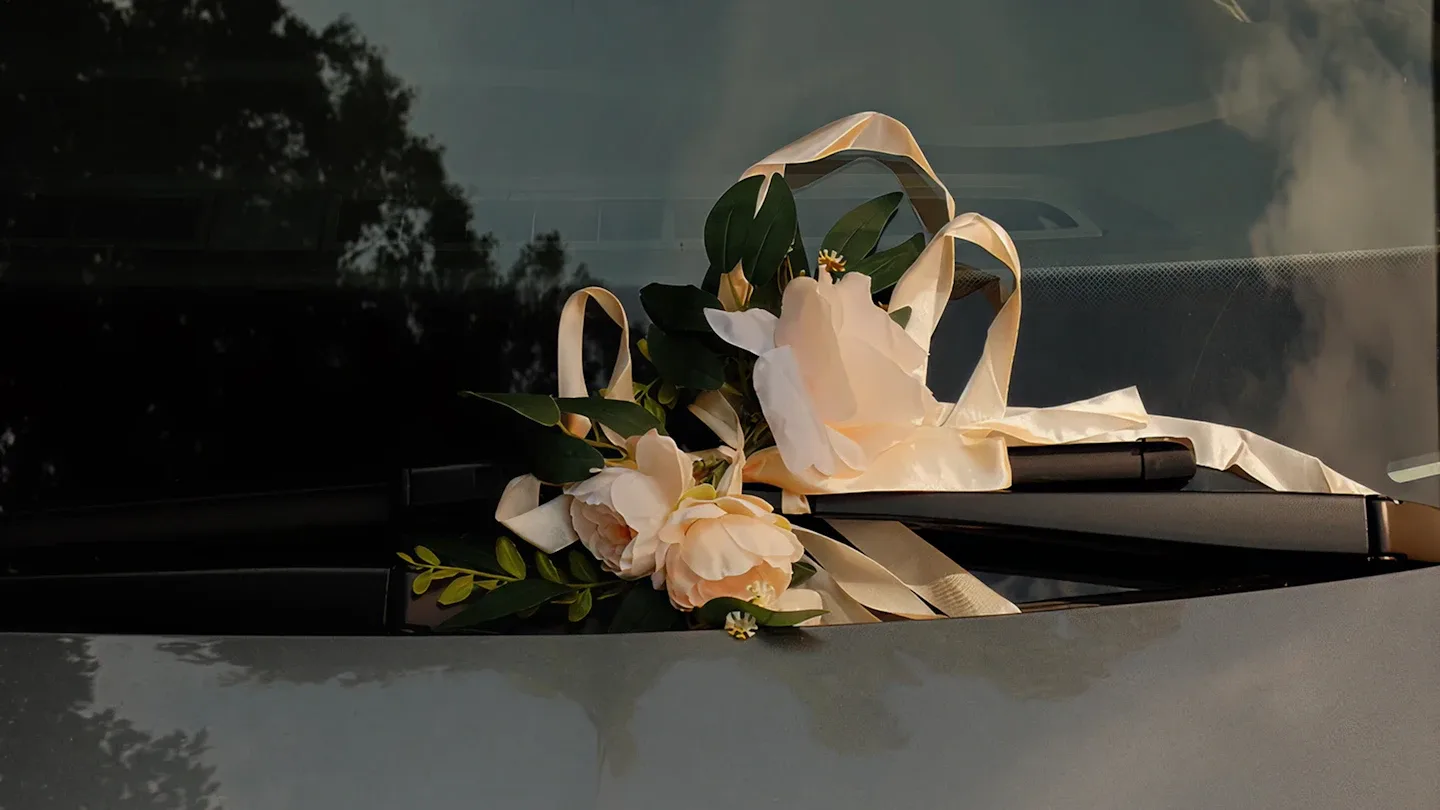
Vehicle decoration should be discussed with the provider before the event. Explain what is proposed, who will install it and when it will be removed. Obtain approval for materials and attachment methods. Decorations must not obstruct the driver’s view, lights, registration plates, doors or safe entry and exit. Keep the passenger area practical rather than filling it with loose items that compete with guests and bags.
Confirm any cleaning or damage terms associated with flowers, adhesives, food, confetti or other materials. If the supplier needs access before the scheduled pickup, add that time to the plan. A decorated vehicle that is still being prepared when the ceremony party is ready can delay the whole sequence. The final booking should explain whether preparation time is included in the quoted duty.
Make return transfers easy to understand
Guests often leave a celebration at different times. Decide whether there will be fixed return shuttles, an agreed standby period or separately booked transfers. Tell guests the available choices before the event. A vehicle hired for the arrival movement does not automatically remain for the whole reception, and an evening booking should not be assumed to continue indefinitely.
For a late finish, arrange a clear departure decision with the coordinator. Keep one accurate passenger count for each return movement and check that guests know their destination. If several hotels are served, confirm the drop-off order. Guests who wish to change their return arrangements should contact the coordinator so the transport team can assess availability and any additional cost.
Plan for arrivals from outside the city
Family members arriving by air or road may need transfers on different dates from the main celebration. Collect connection details, suitcase counts and hotel locations early. Keep these movements separate from the ceremony-day schedule. If guests are arriving from India through a border route, ask operations to explain each leg, the meeting points and whether a vehicle change is planned.
Innova Crysta, Ertiga, Tempo Traveller and Urbania may be requested for suitable border-side movements, subject to confirmed availability and the operating plan. Do not promise that a named vehicle will continue across every stage of the journey. Guests should receive the actual transfer arrangement, including who coordinates any handover, rather than a general statement that transport is included.
Keep supplies and passenger transport distinct
Large gifts, floral installations, catering equipment and staging materials can require a separate delivery arrangement. Describe them to the event supplier and transport coordinator rather than assuming they can occupy empty passenger seats. Keep aisles, doors and exits clear. If some smaller items travel with the family, include them in the luggage description before the vehicle allocation is confirmed.
Agree who checks belongings after each movement. Formal clothing, camera equipment and gifts can be left behind when guests move quickly between activities. A short check by the coordinator is useful before releasing a vehicle. Keep valuable or fragile items under the supervision of their owner, and discuss any special handling needs directly rather than relying on a general luggage allowance.
Confirm the whole service in writing
The final quotation should show each date, pickup, destination, vehicle category and service period. Review waiting, additional trips, late finishes, parking and driver expenses. Confirm the currency and payment schedule, plus the terms for cancellation or a changed event date. If the programme is still developing, identify what can be adjusted and when the final numbers must be provided.
Vehicle Rent Nepal can coordinate the transport brief with the shared Shivalaya Holidays team. For guests extending their visit, ask for a separate holiday proposal so the celebration transport and the touring days remain clear. A thoughtful plan gives each group the right journey and allows the event itself to stay at the centre of the occasion.
Give the operation one agreed source of information
Prepare a passenger list for the organiser’s use and a simpler movement sheet for the driver. The movement sheet should show the date, pickup location, departure time, destination, group leader and expected passenger and bag counts. Share only the personal information necessary for the transfer. Drivers need clear movement instructions; they do not need unrelated private details about every guest. Assign one person to communicate changes and keep the group informed.
Decide who checks that the party is ready before the vehicle moves. The count should include guests, children and any accompanying guide or tour leader who needs a seat. Check luggage separately. If the event includes equipment, gifts or presentation materials, describe their size before allocating vehicles. A transport plan based only on delegate numbers can underestimate the space required when everyone arrives with suitcases and event bags.
Use the venue or hotel’s actual vehicle approach when planning boarding. Ask where the driver may wait, whether several vehicles can load together and who will guide guests to the correct vehicle. Keep access routes and exits clear. If the destination cannot accommodate the requested vehicle size, discuss smaller transfers or a practical alternative meeting point before sending joining instructions. The most polished arrival is usually the one with the clearest organisation.
Define the service and the changes process
Break the quotation into identifiable movements or an agreed period at disposal. List airport arrivals, hotel transfers, venue shuttles, sightseeing and final departures separately where they are separate services. Check the treatment of waiting, overtime, additional trips, parking and driver expenses. A vehicle reserved for one transfer should not be treated as unlimited event transport. Confirm who may authorise an extra movement and how its price will be recorded.
Issue final joining instructions only after the vehicle plan is confirmed. Include the meeting point, reporting time, lead contact and what guests should do if delayed. Keep a short version available offline for the organiser. After each major movement, account for passengers and larger bags before releasing the vehicle. If the schedule changes, tell operations promptly and circulate one revised instruction. Consistent communication is more useful than several informal requests reaching different drivers.
Plan this journey with our team
Vehicle Rent Nepal is a site by Shivalaya Holidays Pvt. Ltd. For the wider holiday, explore Nepal MICE and incentive programs and ask the team to match the transport to your chosen itinerary. Nepal Tour.Travel is also our sister concern. Vehicle hire and a complete tour package have different inclusions, so confirm exactly which services you want in the same quotation.
Send your dates, pickup location, destinations, passenger count and luggage details through our vehicle quotation form. You can also speak with Sushma Aryal on +977 9851206780 or Dinesh Ghimire on +977 9851421660 / +91 8744821660. A clear brief lets the shared team propose the vehicle and arrangements that fit your journey.

Site by Shivalaya Holidays Pvt. Ltd. Our shared Kathmandu team helps arrange private vehicles, border connections and Nepal holidays. Contact our team for arrangements matched to your dates.