MICE transport in Nepal should connect the event agenda with the way delegates actually arrive and move. Airport transfers, hotel shuttles, venue movements and optional sightseeing may require different allocations and service periods. Start with a movement schedule and a clear responsibility structure so that transport supports the program without becoming a source of last-minute decisions.
Translate the agenda into transport movements
An event agenda lists sessions and activities; a transport plan lists where guests must be collected and delivered for them. Build a separate movement sheet showing date, reporting time, pickup, destination, passenger count and responsible contact. Include setup staff, speakers and organisers where they need transport. Do not assume that every person follows the same schedule as the main delegate group.
Mark fixed commitments clearly. A speaker arrival, a conference opening and a relaxed sightseeing departure have different consequences if delayed. The transport team can use those priorities to discuss appropriate margins and allocations. A useful plan explains which movements are time-sensitive rather than treating every trip as an identical shuttle.
Group airport arrivals intelligently
Collect flight details and local arrival dates, then consider which delegates can reasonably share a transfer. Grouping every arrival into one vehicle may create excessive waiting, while separate cars for everyone can add cost and coordination. Compare options using arrival gaps, passenger numbers, luggage and the importance of arriving together. Ask the operator to propose a workable grouping.
Keep the flight list current and identify who sends updates. A rebooked flight should trigger a review of the relevant transfer rather than remain hidden in an individual guest’s message. Give each arriving group a clear meeting instruction and a reachable contact. The delegate’s experience should be simple even when the organiser is managing several arrival waves behind the scenes.
Match vehicles to people and equipment
Count delegates, accompanying staff, guides and any tour leader who needs a seat. Record luggage separately, including presentation equipment, gifts, banners and exhibition materials. A vehicle allocation based only on delegate numbers may underestimate the load. Ask how equipment is transported and whether a separate arrangement is more suitable.
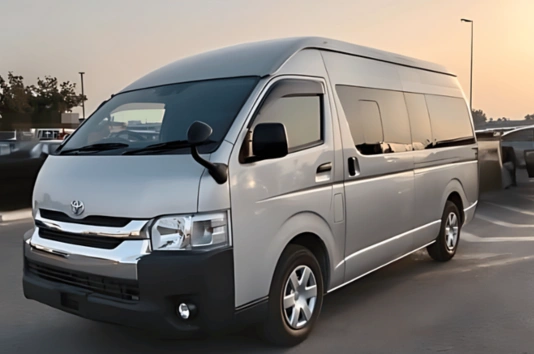
Confirm the actual seating configuration and essential features of the proposed vehicles. If a named model or a particular presentation is important, include it in the brief and obtain written acceptance. Do not infer the allocation from a generic image. For India arrival or border connections, identify the vehicle on each leg rather than assuming one category continues throughout the program.
Check the venue approach
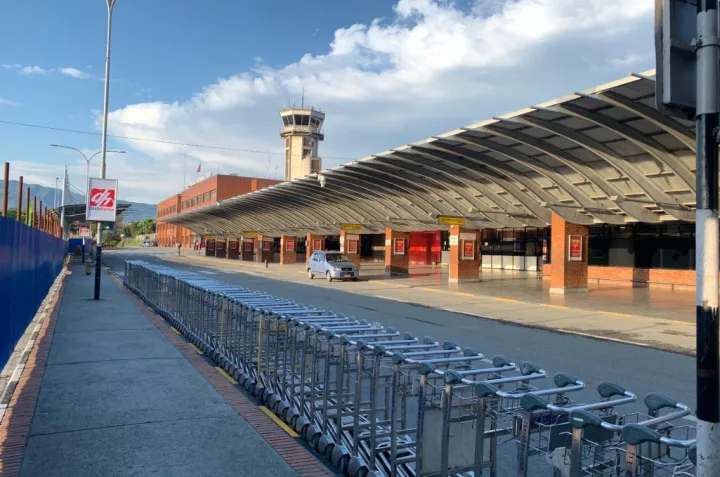
Ask the venue where vehicles may load, wait and unload. Confirm whether several can arrive together and whether large buses have suitable access. A hotel entrance that handles normal guest arrivals may need a different arrangement for a full delegate group. Share those instructions with the operator before issuing joining information.
If a shuttle stop is away from the main entrance, make the walking connection clear and consider delegates who need an alternative arrangement. Do not promise accessibility features without confirmation. The event organiser should coordinate venue and transport responsibilities so that guests are not left to interpret an unfamiliar pickup point on their own.
Define shuttle frequency and standby
A vehicle at disposal and a vehicle making a set number of transfers are different services. If you need shuttles, state the operating window, expected passenger flow and whether trips run on a schedule or on request. Ask how waiting and standby are priced. The operator needs more detail than a statement that a bus will be required all day.
For sessions ending at different times, consider whether one departure or several waves work better. A single departure can simplify coordination but may make some guests wait. Multiple trips offer flexibility but need a clear dispatch process. Identify who authorises an extra movement and how the driver receives the instruction. Avoid leaving that decision open to every delegate.
Coordinate event staff and transport staff
Choose an event transport lead and an operations contact. The event lead should communicate changes to the agenda, while the operator coordinates vehicles and drivers. Give each vehicle a clear movement instruction and a responsible group representative where appropriate. Drivers should not receive competing requests from speakers, delegates and organisers without a clear priority.
Use concise updates that identify the changed movement, the new time or destination and the person approving it. Keep a current version of the schedule available offline. If several vehicles are used, confirm that all affected drivers receive the same revision. Good event transport relies on consistent information more than on frequent but disconnected messages.
Keep optional activities separate
A conference package may include or offer sightseeing, incentives or evening events, but each movement should be identified in the transport plan. Ask whether the vehicle remains available between business sessions and leisure activities. Do not assume that an airport-transfer rate covers an evening dinner or that a daytime shuttle automatically extends to a late finish.
For an incentive outing, include walking time, activity duration and the group’s luggage or equipment. Coordinate with the activity provider where needed. A transport booking does not establish the safety, availability or inclusion of every experience at the destination. Clear supplier responsibilities help the organiser manage the complete event without confusing separate services.
Compare complete event quotations
Review dates, vehicle counts, movements, operating windows, waiting, parking, driver expenses and any overnight requirements. Confirm the currency and treatment of additional trips or late changes. A quotation should make it possible to see what the event receives for the total, not only provide a daily vehicle figure with undefined boundaries.
The Shivalaya Holidays MICE and incentive page provides a starting point for broader event planning. Ask for a tailored proposal that connects transport with the venue, accommodation and program. The final booking should identify confirmed services and optional additions so that the organiser can budget and communicate accurately.
Reconcile arrivals and departures
At arrival, account for delegates and bags before releasing the vehicle. Before final departures, recheck flight details and assign guests to the correct transfers. Equipment may leave separately from delegates, so give it its own handover plan. A short final reconciliation helps the event finish with the same organisation as its opening and reduces the risk of a forgotten bag or missed movement.
Give the operation one agreed source of information
Prepare a passenger list for the organiser’s use and a simpler movement sheet for the driver. The movement sheet should show the date, pickup location, departure time, destination, group leader and expected passenger and bag counts. Share only the personal information necessary for the transfer. Drivers need clear movement instructions; they do not need unrelated private details about every guest. Assign one person to communicate changes and keep the group informed.
Decide who checks that the party is ready before the vehicle moves. The count should include guests, children and any accompanying guide or tour leader who needs a seat. Check luggage separately. If the event includes equipment, gifts or presentation materials, describe their size before allocating vehicles. A transport plan based only on delegate numbers can underestimate the space required when everyone arrives with suitcases and event bags.
Use the venue or hotel’s actual vehicle approach when planning boarding. Ask where the driver may wait, whether several vehicles can load together and who will guide guests to the correct vehicle. Keep access routes and exits clear. If the destination cannot accommodate the requested vehicle size, discuss smaller transfers or a practical alternative meeting point before sending joining instructions. The most polished arrival is usually the one with the clearest organisation.
Define the service and the changes process
Break the quotation into identifiable movements or an agreed period at disposal. List airport arrivals, hotel transfers, venue shuttles, sightseeing and final departures separately where they are separate services. Check the treatment of waiting, overtime, additional trips, parking and driver expenses. A vehicle reserved for one transfer should not be treated as unlimited event transport. Confirm who may authorise an extra movement and how its price will be recorded.
Issue final joining instructions only after the vehicle plan is confirmed. Include the meeting point, reporting time, lead contact and what guests should do if delayed. Keep a short version available offline for the organiser. After each major movement, account for passengers and larger bags before releasing the vehicle. If the schedule changes, tell operations promptly and circulate one revised instruction. Consistent communication is more useful than several informal requests reaching different drivers.
Plan this journey with our team
Vehicle Rent Nepal is a site by Shivalaya Holidays Pvt. Ltd. For the wider holiday, explore Nepal MICE and incentive programs and ask the team to match the transport to your chosen itinerary. Nepal Tour.Travel is also our sister concern. Vehicle hire and a complete tour package have different inclusions, so confirm exactly which services you want in the same quotation.
Send your dates, pickup location, destinations, passenger count and luggage details through our vehicle quotation form. You can also speak with Sushma Aryal on +977 9851206780 or Dinesh Ghimire on +977 9851421660 / +91 8744821660. A clear brief lets the shared team propose the vehicle and arrangements that fit your journey.

Site by Shivalaya Holidays Pvt. Ltd. Our shared Kathmandu team helps arrange private vehicles, border connections and Nepal holidays. Contact our team for arrangements matched to your dates.