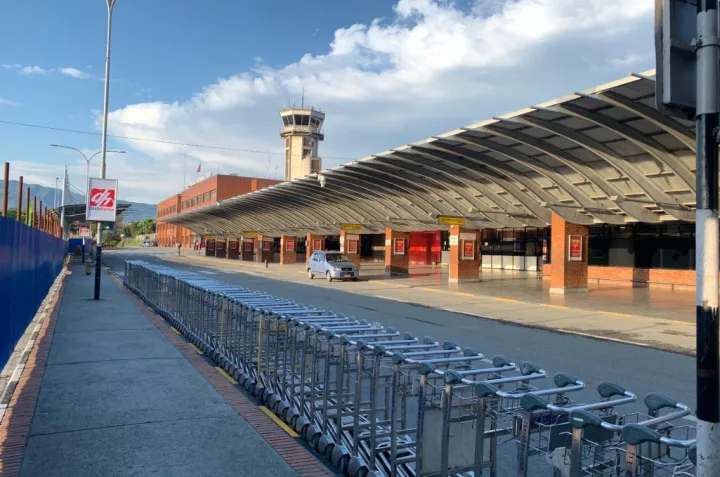
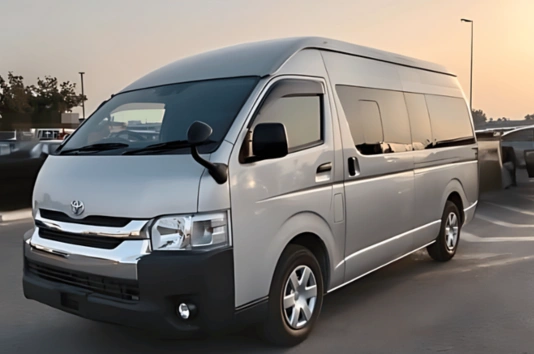
Pokhara airport transport involves two different planning questions: how to reach your hotel after landing, and how to leave the hotel comfortably for your departing flight. Treat the arrival and departure as separate movements, even when you book them together. Each has its own timing, luggage and meeting requirements, and a clear plan makes both ends of the visit easier.
Confirm the airport shown on the flight booking
Use the airport and flight details shown on your ticket when requesting transport. Do not rely only on a city name or an old itinerary from another visit. Send the flight number, local travel date and scheduled time so that the operations team can confirm the correct collection or drop-off arrangement. If the airline changes the service, forward the update promptly and ask whether the vehicle instructions need to change.
This is particularly useful when a wider Nepal itinerary has been revised from road travel to a flight. A hotel may still hold an earlier arrival plan, and the transport team may have a different starting point in its notes. Issue one final movement summary that states the current plan. Small inconsistencies are easier to correct before travel than while the group is waiting with luggage.
Match the arrival transfer to the hotel
Send the hotel’s full name and location, including any entrance instructions supplied by the property. “Lakeside” describes an area, not one exact drop-off point. If your accommodation is outside the main hotel area or requires a particular approach, mention that when requesting the quote. The team needs the actual destination to assess the route and the most practical vehicle arrangement.
If guests are staying at several properties, list them in the proposed drop-off order. Ask whether a shared transfer or separate vehicles would suit the group better. Multiple stops can affect price and journey time, especially when passengers have substantial luggage. Make those stops part of the agreement rather than expecting the driver to discover them after everyone has boarded.
Allow time after landing
Guests are ready for pickup after they have completed the relevant arrival steps and collected their belongings. The scheduled landing time is therefore only one part of the meeting plan. Ask where to meet and how waiting is handled if bags or the flight are delayed. Keep the instructions available offline and choose one passenger to coordinate with the driver or operations team.
If the hotel has arranged a meal or an activity for the arrival afternoon, give it a flexible window where possible. A transfer should not be organised around an assumption that every flight and arrival step will run exactly to schedule. Tell the transport team about any fixed commitment so that it can be considered when planning the movement.
Plan departure backwards from airline requirements
For the return transfer, start with the airline’s current reporting and check-in instructions. Then discuss the hotel pickup time with the transport team, allowing for loading and the road journey. Do not choose a departure time solely because the map shows a short drive. Hotel checkout, gathering the group and reaching the correct departure area all take time. The flight booking should be the reference point for the final plan.
Ask the hotel about breakfast and checkout arrangements if you need to leave early. Settle bills and organise bags before the vehicle arrives when practical. For a group, designate someone to check that everyone is present. The pickup time should mean the party is ready to travel, not that the first guest is beginning to leave a room.
Keep sightseeing separate from the airport movement
Pokhara offers many reasons to spend time outside the hotel, but airport transport and sightseeing have different purposes. If you want to visit a viewpoint, temple or another attraction before a departure, request a sightseeing transfer with the airport as the final destination. Share the flight details and ask whether the proposed outing leaves enough margin. The team may recommend doing the visit on another day instead.
After arrival, a direct hotel transfer can be more comfortable than carrying all luggage through several stops. If you still prefer a combined movement, ask where bags remain during visits and whether the vehicle waits throughout. Keep valuables with the travellers. Do not assume that a standard airport transfer includes an open-ended afternoon at disposal.
Choose the vehicle for both seats and bags
A couple travelling with compact luggage may need a different category from a family with several suitcases or a trekking group carrying duffels. Describe the load before confirming a vehicle. If the group is returning from a trek or adding equipment during its stay, the departure luggage may be larger than the arrival load. Include that change in the booking rather than assuming the same arrangement will still fit.
For groups, include guides or tour leaders who need to ride in the transfer. Ask about actual guest seating and luggage storage in the proposed allocation. If a larger vehicle cannot approach the hotel entrance comfortably, agree a practical boarding point. A clear meeting arrangement matters as much as the category chosen for the journey.
Coordinate flights within a multi-city holiday
An itinerary may combine a Kathmandu–Pokhara flight with road travel to another destination. Keep the responsibilities clear at each transition. Identify who meets the arriving flight, which vehicle handles the next road leg and whether any luggage remains with a separate touring vehicle. Do not assume that booking one transfer automatically coordinates all the other movements in the package.
If several guests arrive on different services, compare shared waiting with separate pickups. The organiser should know what happens if one flight changes substantially. A simple table of flight, passenger count, bags and hotel can prevent many misunderstandings. Update that table whenever the group’s bookings change and circulate one final version to the coordinating team.
A useful two-part booking example
For arrival, your brief might read: two adults, two medium suitcases, flight details attached, pickup after arrival and direct transfer to the named hotel. For departure, it might state: the same guests, one additional bag, hotel collection for the confirmed flight, no sightseeing stops. The example does not set a price or pickup time; it shows the level of detail that lets the team propose them sensibly.
Before travel, keep the confirmation, meeting instructions and operations number together. Check bags during loading and at the hotel or airport drop-off. If a flight or accommodation changes, tell the transport team rather than assuming another supplier has passed on the information. Good airport planning leaves you free to focus on the Pokhara stay itself.
Write one clear transfer brief
Put the essential details in one message: travel date, exact collection address, final destination, number of guests, suitcase count and any oversized items. Where a flight or train is involved, include its service number and arrival or departure date. Add one reachable lead passenger and a backup contact. Do not rely on scattered screenshots sent at different times; a short final summary helps the operations team identify which arrangements are current.
Separate requirements from preferences. A vehicle with enough secure luggage space is a requirement; a particular colour may be a preference. If a named model is essential, obtain written confirmation rather than assuming that a category picture represents the allocated vehicle. Ask how a proposed substitution would be communicated. The final choice should suit passengers, bags, boarding needs and the actual route, not just the largest seat number in a brochure.
Read the quotation as a description of the service. Check the pickup and drop-off, date, vehicle category, driver, agreed stops, waiting terms and included expenses. Ask how parking, road charges, additional distance, late changes and cancellation are handled. A low headline figure is difficult to compare when another offer includes items that it leaves out. Confirm the currency and whether the amount covers the complete vehicle movement or a different pricing basis.
Prepare for changes without losing the plan
A useful backup plan identifies who makes decisions. If the arrival time changes, send the revised information to the operations contact and ask for updated meeting instructions. If the road journey is delayed, keep the receiving hotel or organiser informed through the agreed contact. Avoid adding an unapproved stop merely because the vehicle is already hired. It may affect the driver’s next duty, the quoted service boundary or your own onward connection.
Keep travel documents, medicines, valuables and essential items with you rather than at the bottom of the luggage stack. Make a final bag count before departure and again at the destination. If your journey connects with a separate flight, train or event, allow a realistic margin and discuss whether an overnight stop is wiser. The transport team can help plan the movement, but a suggested arrival time should not be treated as a guarantee against every disruption.
Plan this journey with our team
Vehicle Rent Nepal is a sister concern of Shivalaya Holidays Pvt. Ltd. For the wider holiday, explore Nepal family holiday: Kathmandu, Chitwan, Pokhara and Nagarkot and ask the team to match the transport to your chosen itinerary. Nepal Tour.Travel is also our sister concern. Vehicle hire and a complete tour package have different inclusions, so confirm exactly which services you want in the same quotation.
Send your dates, pickup location, destinations, passenger count and luggage details through our vehicle quotation form. You can also speak with Sushma Aryal on +977 9851206780 or Dinesh Ghimire on +977 9851421660 / +91 8744821660. A clear brief lets the shared team propose the vehicle and arrangements that fit your journey.

A sister concern of Shivalaya Holidays Pvt. Ltd. Our shared Kathmandu team helps arrange private vehicles, border connections and Nepal holidays. Contact our team for arrangements matched to your dates.