A well-planned Kathmandu airport pickup begins before the flight lands. The driver needs the correct flight, the guests need a clear meeting instruction, and the vehicle needs enough space for the luggage that actually arrives. This guide explains how to connect those details so that the first road journey of your Nepal visit feels straightforward rather than improvised.
Send the flight number and the local arrival date
Provide the airline, flight number and scheduled arrival date as shown on the booking. An overnight journey can create confusion when the departure date differs from the date you reach Kathmandu. Identify the arrival date clearly and include the lead passenger’s name and contact number. A screenshot can help, but accompany it with a short written summary so that the operations team can read the essential details without searching through several attachments.
If the flight changes, send the revised information to the same coordinating contact. Do not assume the driver will learn about an airline change automatically. Ask how the team handles schedule updates and when you should notify them. A confirmed flight number is more useful than saying that you will arrive in the afternoon, particularly when several arrivals are being coordinated on the same day.
Distinguish landing from being ready to leave
The aircraft’s scheduled arrival is not the moment the party will be at the vehicle. Guests still need to complete the relevant arrival procedures, collect bags and reach the agreed meeting area. The time required varies. Ask how the pickup waiting arrangement accounts for this and when additional waiting charges may apply. A clear policy avoids an awkward conversation if baggage delivery or another arrival step takes longer than expected.
Do not arrange a tightly timed activity immediately after arrival without discussing the risks with the tour team. A first afternoon can be kept flexible while the group reaches the hotel, settles in and decides how much energy remains. If a fixed commitment is unavoidable, make it visible in the original brief so that the team can assess the plan rather than discover it after pickup.
Obtain the meeting instruction before you fly
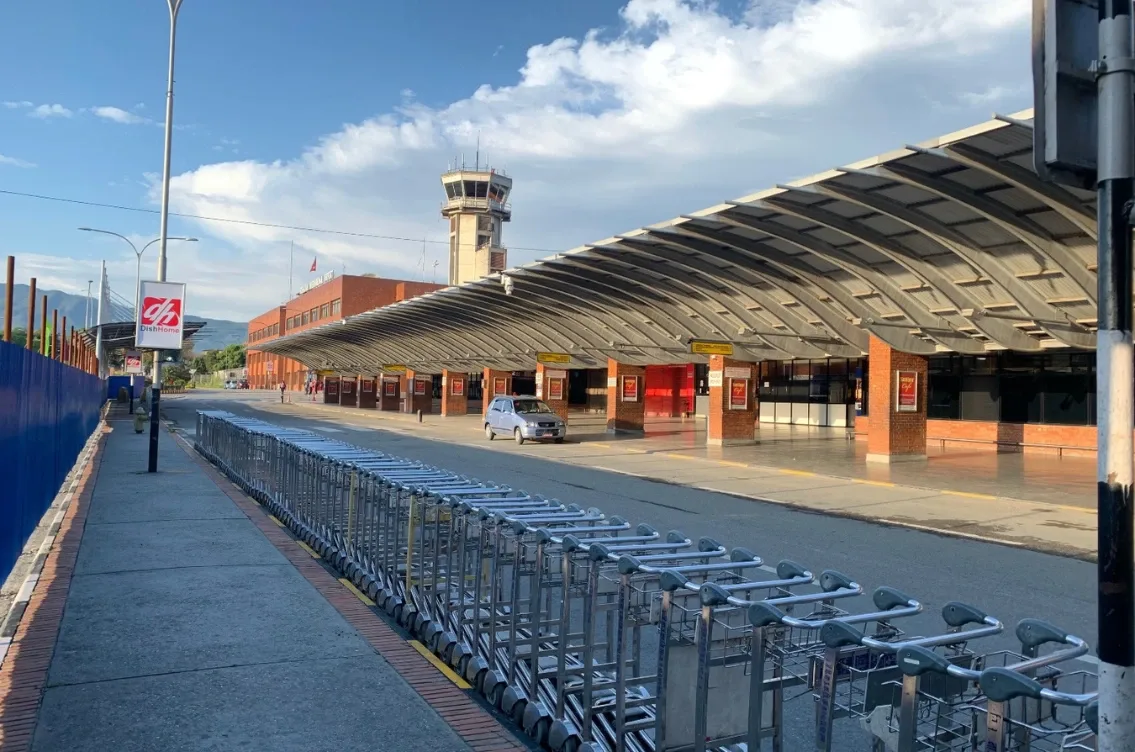
Ask where the representative or driver will meet the group, what name will be displayed if a sign is used, and which number to contact if you cannot find each other. Keep those instructions available offline. “Meet at Kathmandu airport” is not enough detail for a first-time visitor. The precise public meeting arrangement may depend on the arrival area and current access rules, so use the instructions supplied for your booking.
Choose one lead passenger to communicate with operations. If several travellers message different people at once, the location can become less clear. When you reach the agreed point, remain there while resolving a missed connection unless the team gives a new instruction. Moving between exits on an assumption can make it harder for the driver and guests to locate one another.
Book for the arriving luggage
International arrivals often bring more luggage than a sightseeing day. Count checked suitcases, cabin bags and unusual items such as a stroller or trekking equipment. Explain the approximate size of larger bags. The vehicle should be allocated against the full load, not just the passenger count. If relatives join the transfer after you land, include them in the booking rather than treating them as an unexpected addition.
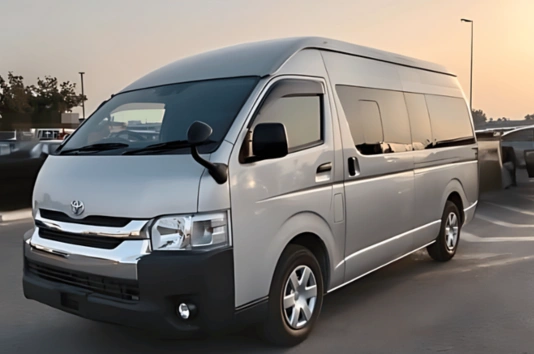
Ask what vehicle category is proposed and whether it suits the route to the hotel. A small party may fit a car comfortably, while a larger family or group may need an SUV, Hiace or another arrangement. Do not assume that the number printed beside a category is a guarantee of luggage capacity. Confirm how the guests and bags will be accommodated together.
Give the hotel’s exact location
Kathmandu hotel names and neighbourhood descriptions are not substitutes for a confirmed destination. Send the hotel name, address and a map location, and mention any known approach or entrance instructions. If the hotel has a restricted vehicle approach, ask where the practical drop-off will be and how the final short connection is handled. This is particularly helpful for guests carrying several large bags or travelling with older relatives.
Tell the team if the transfer ends at an apartment, office or private address rather than a hotel. Provide a reachable receiving contact where appropriate. If the party has more than one destination, list the stops in order and ask whether the additional drop-off is included. A transfer priced for one hotel should not be assumed to include an open-ended sequence of city stops.
Separate a transfer from an arrival tour
An airport pickup normally focuses on getting the group to its agreed destination. A sightseeing visit, shopping stop or meal detour changes the service. If you want an arrival-day outing, request it as part of the itinerary and leave room for flight delays and fatigue. The team can discuss whether the vehicle waits, whether the route is practical and what happens if the arrival time shifts.
For a family arriving after a long journey, a direct hotel transfer may be the most comfortable start. You can plan sightseeing on a later day when the group is rested and the schedule is clearer. There is no need to fill every arrival hour to make the booking worthwhile. A calm first transfer can be a useful foundation for the rest of the holiday.
Coordinate arrivals from different flights
When guests arrive on separate flights, compare a shared pickup with separate transfers. A shared vehicle may simplify the group’s arrival at the hotel, but it can also create waiting for those who land first. Separate vehicles offer more flexibility but require clear passenger assignments and additional coordination. Share the full flight list before deciding which arrangement is best.
If flights are close together, ask where the group should assemble and how long the plan allows for a delayed arrival. If one traveller’s flight is substantially delayed, the organiser should know who can approve a revised transfer. Avoid making every guest wait without an agreed limit. The right arrangement depends on group size, luggage, arrival gaps and the importance of reaching the hotel together.
Keep a short arrival checklist
- Confirm the local arrival date, flight number and lead passenger.
- Save the meeting instructions and operations number offline.
- Recheck passenger and luggage counts before departure from home.
- Send the final hotel address and any additional drop-off request.
- Understand waiting, cancellation and flight-change arrangements.
- Count all bags before leaving the airport meeting area.
The checklist is most useful when one person holds the final version. Keep it alongside your travel documents rather than searching old messages after landing. If an arrival detail changes, update that version and tell the coordinating team. Vehicle Rent Nepal can then arrange the pickup around the information that matters to your actual flight and group.
Write one clear transfer brief
Put the essential details in one message: travel date, exact collection address, final destination, number of guests, suitcase count and any oversized items. Where a flight or train is involved, include its service number and arrival or departure date. Add one reachable lead passenger and a backup contact. Do not rely on scattered screenshots sent at different times; a short final summary helps the operations team identify which arrangements are current.
Separate requirements from preferences. A vehicle with enough secure luggage space is a requirement; a particular colour may be a preference. If a named model is essential, obtain written confirmation rather than assuming that a category picture represents the allocated vehicle. Ask how a proposed substitution would be communicated. The final choice should suit passengers, bags, boarding needs and the actual route, not just the largest seat number in a brochure.
Read the quotation as a description of the service. Check the pickup and drop-off, date, vehicle category, driver, agreed stops, waiting terms and included expenses. Ask how parking, road charges, additional distance, late changes and cancellation are handled. A low headline figure is difficult to compare when another offer includes items that it leaves out. Confirm the currency and whether the amount covers the complete vehicle movement or a different pricing basis.
Prepare for changes without losing the plan
A useful backup plan identifies who makes decisions. If the arrival time changes, send the revised information to the operations contact and ask for updated meeting instructions. If the road journey is delayed, keep the receiving hotel or organiser informed through the agreed contact. Avoid adding an unapproved stop merely because the vehicle is already hired. It may affect the driver’s next duty, the quoted service boundary or your own onward connection.
Keep travel documents, medicines, valuables and essential items with you rather than at the bottom of the luggage stack. Make a final bag count before departure and again at the destination. If your journey connects with a separate flight, train or event, allow a realistic margin and discuss whether an overnight stop is wiser. The transport team can help plan the movement, but a suggested arrival time should not be treated as a guarantee against every disruption.
Plan this journey with our team
Vehicle Rent Nepal is a sister concern of Shivalaya Holidays Pvt. Ltd. For the wider holiday, explore Shivalaya Holidays Nepal tour packages and ask the team to match the transport to your chosen itinerary. Nepal Tour.Travel is also our sister concern. Vehicle hire and a complete tour package have different inclusions, so confirm exactly which services you want in the same quotation.
Send your dates, pickup location, destinations, passenger count and luggage details through our vehicle quotation form. You can also speak with Sushma Aryal on +977 9851206780 or Dinesh Ghimire on +977 9851421660 / +91 8744821660. A clear brief lets the shared team propose the vehicle and arrangements that fit your journey.

A sister concern of Shivalaya Holidays Pvt. Ltd. Our shared Kathmandu team helps arrange private vehicles, border connections and Nepal holidays. Contact our team for arrangements matched to your dates.